

Can a New Skidsteer be used for material handling?
As a supplier of new skidsteers, I often get asked whether these machines are suitable for material handling. The answer is a resounding yes! Skidsteers are incredibly versatile pieces of equipment that can be effectively used in a wide range of material - handling tasks.
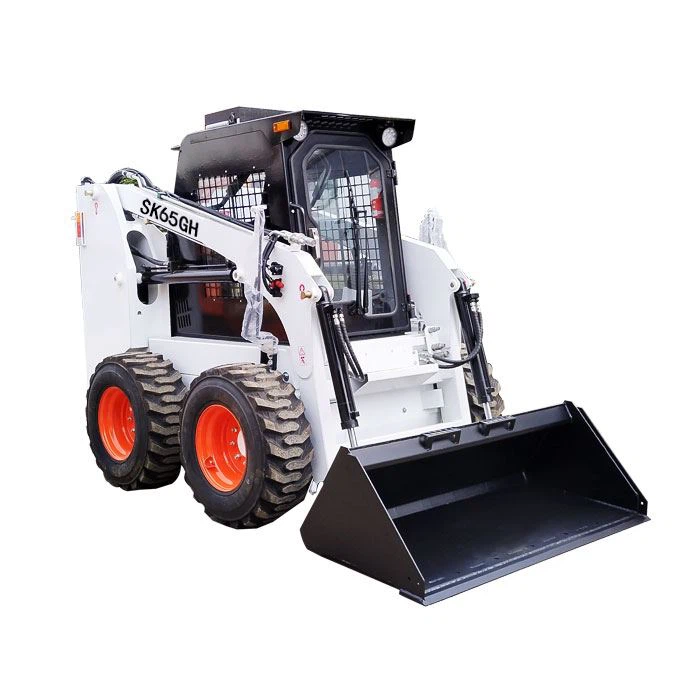

Understanding Skidsteers
Before delving into their material - handling capabilities, let's first understand what skidsteers are. Skidsteers are compact, rigid - framed machines with lift arms. They come in different types, such as Wheeled Skid Steer, which offer excellent maneuverability on hard and flat surfaces. The wheels provide good speed and are ideal for applications where quick movement is required. On the other hand, Mini Skid Tracks are great for working on soft or uneven terrains. Their tracks distribute the machine's weight more evenly, reducing the risk of sinking. And for heavy - duty tasks, Large Skidsteer Loader models are available, offering higher lifting capacities and more power.
Material Handling Capabilities
Lifting and Moving
One of the primary functions of a skidsteer in material handling is lifting and moving various materials. The lift arms of a skidsteer can be equipped with different attachments, such as buckets, forks, or grapples. A standard bucket attachment is perfect for scooping up loose materials like sand, gravel, or dirt. It can then transport these materials across a worksite and deposit them at the desired location. Fork attachments, on the other hand, are used for lifting and moving palletized goods. They can easily pick up heavy pallets of construction materials, bags of cement, or boxes of supplies and move them to different areas of a warehouse or construction site. Grapple attachments are useful for handling irregularly shaped materials. They can grip and lift items like logs, branches, or large debris, making them ideal for forestry or demolition projects.
Loading and Unloading
Skidsteers are also excellent for loading and unloading trucks. When used with a bucket attachment, they can quickly load materials into the bed of a dump truck. For example, at a quarry, a skidsteer can scoop up crushed stone and deposit it into the waiting truck. Similarly, in a recycling facility, a skidsteer with a grapple attachment can unload large bales of recycled materials from a truck. This not only speeds up the loading and unloading process but also reduces the need for manual labor, increasing efficiency and safety.
Stacking
In warehouses or storage yards, skidsteers can be used for stacking materials. With fork attachments, they can stack pallets of goods neatly and efficiently. This is especially important in maximizing storage space. Skidsteers can reach significant heights, allowing for the creation of multi - level stacks. In addition, their compact size enables them to maneuver easily between aisles, making it possible to stack materials in tight spaces.
Advantages of Using Skidsteers for Material Handling
Maneuverability
One of the biggest advantages of skidsteers in material handling is their exceptional maneuverability. Their small size and ability to turn within their own footprint make them ideal for working in confined spaces. Unlike larger material - handling equipment, skidsteers can easily navigate through narrow doorways, around obstacles, and in tight corners. This is particularly useful in construction sites where space is often limited, or in warehouses with narrow aisles.
Versatility
As mentioned earlier, skidsteers can be fitted with a wide variety of attachments. This versatility allows them to handle different types of materials and perform various tasks. Instead of investing in multiple pieces of specialized equipment, a single skidsteer with a set of attachments can handle most material - handling needs. This not only saves on equipment costs but also reduces the amount of storage space required for equipment.
Cost - Effectiveness
Skidsteers are relatively affordable compared to larger material - handling equipment. Their lower purchase price, combined with lower operating costs, makes them a cost - effective solution for material handling. They consume less fuel than larger machines, and their maintenance requirements are generally less complex and expensive. Additionally, since they can perform multiple tasks with different attachments, they offer a high return on investment.
Considerations for Using Skidsteers in Material Handling
Operator Training
Proper operator training is essential when using skidsteers for material handling. Operators need to be trained on how to safely operate the machine, as well as how to use different attachments correctly. This includes understanding the weight limits of the machine and attachments, proper lifting techniques, and safety procedures. Without proper training, there is a risk of accidents, which can lead to damage to the machine, materials, and even injury to the operator.
Attachment Selection
Choosing the right attachment for the specific material - handling task is crucial. Different materials require different types of attachments. For example, using a bucket attachment to handle palletized goods would be inefficient, while using a fork attachment to scoop up loose dirt would not work well. It's important to assess the nature of the materials and the requirements of the task before selecting an attachment.
Maintenance
Regular maintenance of the skidsteer is necessary to ensure its optimal performance in material handling. This includes checking the hydraulic system, tires or tracks, lift arms, and attachments. Proper lubrication, cleaning, and inspection of components can prevent breakdowns and extend the lifespan of the machine.
Conclusion
In conclusion, a new skidsteer is an excellent choice for material handling. Its lifting and moving capabilities, combined with its maneuverability, versatility, and cost - effectiveness, make it a valuable asset in a wide range of industries. Whether it's in construction, agriculture, forestry, or warehousing, skidsteers can significantly improve the efficiency of material - handling operations.
If you are interested in learning more about our new skidsteer models and how they can meet your material - handling needs, we invite you to contact us for a detailed discussion. Our team of experts is ready to assist you in selecting the right skidsteer and attachments for your specific requirements.
References
- "Skid - Steer Loaders: A Comprehensive Guide" by Equipment Today
- "Material Handling Equipment Handbook" by Industrial Press Inc.
- Various industry reports on the use of skidsteers in different sectors.


