

Can a Skid Steer Loader Be Used in High - Altitude Areas?
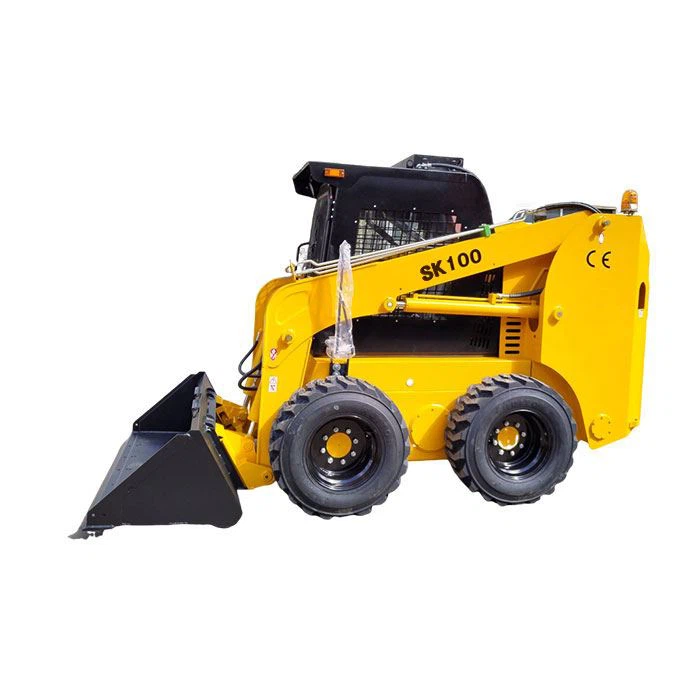
As a supplier of skid steer loaders, I often receive inquiries from customers about the usability of our equipment in various environments. One question that frequently comes up is whether a skid steer loader can be used in high - altitude areas. In this blog, I will explore this topic in detail, discussing the challenges, adaptations, and considerations when using skid steer loaders at high altitudes.
Challenges of Using Skid Steer Loaders in High - Altitude Areas
-
Reduced Air Density
At high altitudes, the air density is significantly lower compared to sea - level areas. This has a direct impact on the engine performance of skid steer loaders. The engine of a skid steer loader requires a proper mixture of air and fuel for combustion. With less dense air, there is less oxygen available for the combustion process. As a result, the engine may experience a loss of power. For example, a skid steer loader that performs well at sea level may show a noticeable decrease in its lifting capacity and overall speed when operating at high altitudes. -
Cooling System Challenges
The cooling system of a skid steer loader also faces challenges in high - altitude areas. The reduced air density means that there is less air available to carry away the heat generated by the engine and other components. This can lead to overheating issues, especially during prolonged use or when the loader is performing heavy - duty tasks. Overheating can cause damage to the engine, transmission, and other critical parts of the skid steer loader, reducing its lifespan and increasing maintenance costs. -
Tire and Track Performance
The performance of tires or tracks on a skid steer loader can be affected by the lower air pressure at high altitudes. Tires may experience changes in their inflation pressure, which can lead to uneven wear and reduced traction. In the case of skid steer loaders with tracks, the lower air pressure can also affect the track tension and overall performance. For instance, the tracks may become looser, reducing the loader's ability to maneuver effectively on uneven terrain.
Adaptations for High - Altitude Use
-
Engine Tuning
To address the power loss issue caused by reduced air density, engine tuning is often necessary. This may involve adjusting the fuel injection system to optimize the air - fuel mixture. Some modern skid steer loaders are equipped with engines that can automatically adjust the fuel injection based on the altitude. For older models or those without such advanced features, manual engine tuning by a qualified technician can help improve the engine's performance at high altitudes. -
Upgraded Cooling Systems
Upgrading the cooling system is crucial for preventing overheating in high - altitude areas. This can include installing a larger radiator or adding additional cooling fans. Some skid steer loaders can also be equipped with high - altitude - specific cooling kits that are designed to improve the heat dissipation efficiency. These kits often include more efficient heat exchangers and better - designed airflow channels to ensure that the engine and other components stay within the optimal temperature range. -
Tire and Track Adjustments
Regularly checking and adjusting the tire pressure or track tension is essential for maintaining optimal performance in high - altitude areas. For skid steer loaders with tires, it is recommended to use high - altitude - rated tires that are designed to withstand the changes in air pressure. In the case of track - equipped loaders, proper track tension adjustment can help ensure even wear and good traction. You can find a variety of Skid Loader Tracks suitable for different operating conditions, including high - altitude areas.
Considerations for High - Altitude Operations
-
Pre - Operation Checks
Before operating a skid steer loader in high - altitude areas, thorough pre - operation checks are necessary. This includes checking the engine oil level, coolant level, tire or track condition, and all other critical components. It is also important to ensure that the loader is properly tuned for high - altitude use. -
Operator Training
Operators should receive specialized training on operating skid steer loaders in high - altitude areas. They need to be aware of the potential challenges, such as power loss and overheating, and know how to respond appropriately. For example, operators should be trained to take more breaks to allow the engine to cool down and to adjust their operating style to compensate for the reduced performance of the loader. -
Maintenance Schedule
A more frequent maintenance schedule is required for skid steer loaders operating in high - altitude areas. Regular oil changes, filter replacements, and inspections of the cooling system, engine, and other components are essential to keep the loader in good working condition. By following a strict maintenance schedule, you can prevent major breakdowns and extend the lifespan of your skid steer loader.
Our Skid Steer Loader Offerings for High - Altitude Areas
As a skid steer loader supplier, we understand the unique requirements of operating in high - altitude areas. We offer a range of skid steer loaders that are suitable for high - altitude use. Our Large Skid Steer models are equipped with engines that can be easily tuned for high - altitude performance. They also feature upgraded cooling systems to prevent overheating.
In addition, our Best Track Skid Steer models are designed with high - quality tracks that can perform well in low - air - pressure environments. These tracks are made from durable materials and are engineered to maintain proper tension and traction even at high altitudes.
Conclusion
In conclusion, while there are challenges associated with using a skid steer loader in high - altitude areas, with the right adaptations and considerations, it is definitely possible. By understanding the impact of reduced air density on the engine, cooling system, and tire/track performance, and by taking appropriate measures such as engine tuning, upgrading the cooling system, and proper maintenance, skid steer loaders can operate effectively in high - altitude environments.
If you are interested in purchasing a skid steer loader for high - altitude use, we are here to help. Our team of experts can provide you with detailed information about our products and assist you in making the right choice for your specific needs. Contact us today to start the procurement and negotiation process.

References
- SAE International. (2019). "High - Altitude Engine Performance and Adaptation." SAE Technical Paper Series.
- Caterpillar Inc. (2020). "Operating Heavy Equipment at High Altitudes." Caterpillar Technical Manual.
- Bobcat Company. (2021). "Skid Steer Loader Maintenance Guide for Extreme Environments." Bobcat Publication.


