

Hey there! As a supplier of Skid Steer Machine, I often get asked about how to check the fluid levels in these bad boys. It's super important to keep an eye on the fluid levels in your skid steer machine. Doing so can save you a ton of headaches and costly repairs down the road. So, let's dive right in and go through the steps to check the different fluid levels in a skid steer.
Engine Oil
The engine oil is like the lifeblood of your skid steer's engine. It lubricates all the moving parts, reduces friction, and helps keep the engine cool. To check the engine oil level, first, make sure the skid steer is parked on a level surface. You don't want any wonky readings because the machine is tilted.
Locate the engine oil dipstick. It usually has a brightly colored handle, so it's not too hard to find. Pull the dipstick out, wipe it clean with a rag, and then reinsert it all the way back in. Pull it out again and check the oil level. There are usually markings on the dipstick indicating the minimum and maximum levels. The oil level should be between these two marks. If it's below the minimum mark, you'll need to add some oil. Use the type of oil recommended in the skid steer's owner's manual.
Hydraulic Fluid
The hydraulic system in a skid steer is what allows it to do all those heavy - lifting and digging tasks. The hydraulic fluid powers the cylinders and makes everything move smoothly.
To check the hydraulic fluid level, find the hydraulic fluid reservoir. It's often a large, clear plastic or metal tank. Some skid steers have a sight glass on the side of the reservoir. If yours does, just look at the sight glass. The fluid level should be within the marked range.
If there's no sight glass, you may need to use a dipstick. Similar to checking the engine oil, pull the dipstick out, wipe it clean, reinsert it, and then check the level. If the hydraulic fluid is low, add the appropriate type of hydraulic fluid as specified in the manual. Low hydraulic fluid can cause the hydraulic system to overheat and may lead to component failure.
Coolant
The coolant helps regulate the temperature of the engine. If the engine gets too hot, it can cause serious damage.
First, make sure the engine is cool before checking the coolant. You don't want to get burned by hot coolant. Locate the coolant reservoir. It's usually a translucent plastic tank with markings on it. Check the fluid level against the markings. If it's low, add a mixture of coolant and water as recommended. Most skid steers use a 50/50 mixture of antifreeze and water.
Fuel
This one's pretty straightforward, but it's still important. You need to know how much fuel you have in your skid steer, especially if you're in the middle of a big job.
Most skid steers have a fuel gauge on the dashboard, just like a car. Check the gauge to see how much fuel is left. If it's getting low, fill up the fuel tank at a fueling station. Use the type of fuel specified in the owner's manual. Some skid steers run on diesel, while others may use gasoline.
Transmission Fluid
The transmission fluid in a skid steer helps with smooth gear shifting and keeps the transmission components lubricated.
To check the transmission fluid, find the transmission dipstick. It may be a bit harder to access than the other dipsticks, as it's often located near the transmission. Follow the same process as checking the engine oil: pull it out, wipe it clean, reinsert it, and then check the level. If the transmission fluid is low, add the recommended type of fluid.
Importance of Regular Checks
Regularly checking the fluid levels in your skid steer is crucial. It can prevent breakdowns and extend the lifespan of your machine. For example, if the engine oil is low, the engine parts will rub against each other more, causing excessive wear and tear. Low hydraulic fluid can lead to slow or unresponsive operation of the hydraulic system.
By performing these checks on a regular basis, you can catch any potential problems early. This way, you can make small repairs or top - up the fluids before they turn into major, expensive issues.
Tips for Fluid Checks
- Keep a schedule: Set a regular schedule for checking the fluid levels. For example, check the engine oil and hydraulic fluid every day before starting work, and the coolant and transmission fluid once a week.
- Use the right tools: Always use a clean rag to wipe the dipsticks. This ensures accurate readings.
- Store fluids properly: Keep extra fluids in a clean, dry place. Make sure the containers are sealed to prevent contamination.
Our Skid Steer Offerings
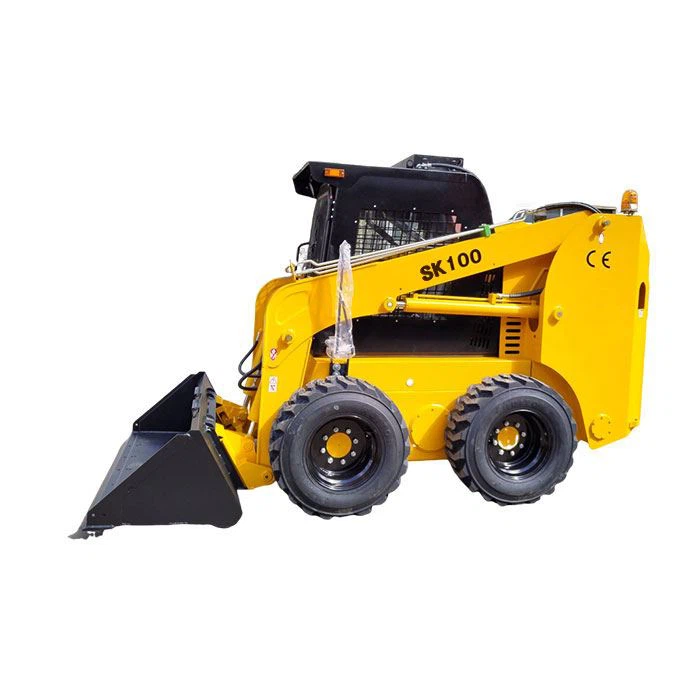
At our company, we're not just about selling Skid Steer Machine. We're also committed to providing you with all the information you need to keep your machine in top - notch condition. We offer a wide range of skid steers, including Large Skid Steer models for those really big jobs. And if you need replacement parts like Skid Loader Tracks, we've got you covered.
We understand that every job is different, and that's why we offer a variety of skid steer models to suit your needs. Whether you're a contractor working on a construction site or a farmer doing some land - clearing, we have the right skid steer for you.

Contact Us for Purchasing
If you're in the market for a new skid steer or need to replace some parts, we'd love to talk to you. Our team of experts can help you choose the right machine and answer any questions you may have about fluid checks or maintenance. Reach out to us, and let's start a conversation about how we can meet your skid steer needs.
References
Skid Steer Owner's Manuals
Manufacturer's Technical Bulletins
Industry - standard Maintenance Guides


