

As a supplier of skid steer attachments, I've had numerous inquiries about how to replace parts of these essential pieces of equipment. Skid steer attachments are versatile tools that can transform a skid steer loader into a multi - functional machine, but like any machinery, their parts may need replacement over time due to wear and tear, damage, or the need for an upgrade. In this blog, I'll guide you through the general process of replacing parts of skid steer attachments.
Understanding Your Skid Steer Attachment
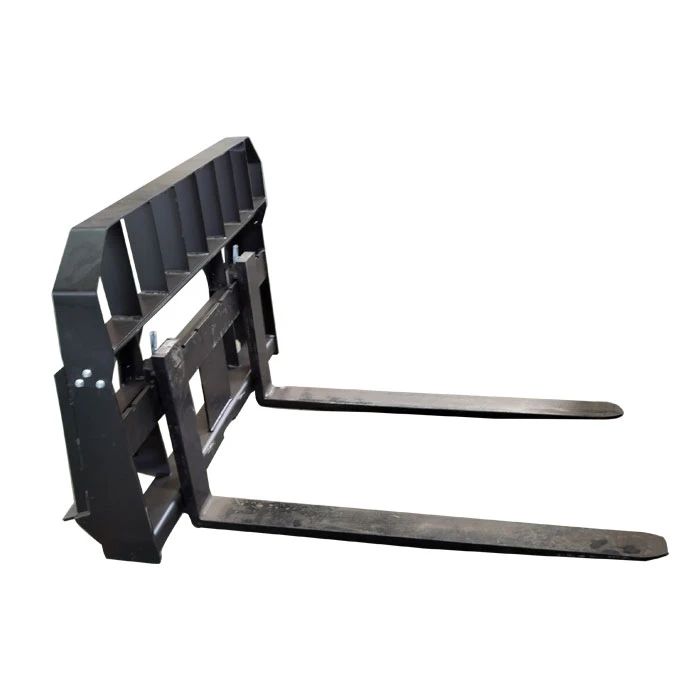
Before you start replacing any parts, it's crucial to have a thorough understanding of the specific skid steer attachment you're working with. There are various types of skid steer attachments, such as the Angle Broom Attachment for Skid Steer, Skid Steer Forklift, and Skid Steer Excavator Attachment. Each attachment has its unique design, function, and set of components.
Familiarize yourself with the attachment's user manual. The manual will provide detailed information about the attachment's parts, their locations, and the proper procedures for maintenance and replacement. If you don't have the manual, you can often find it on the manufacturer's website.
Safety First
Safety should always be your top priority when working on skid steer attachments. Before you begin any replacement work, make sure the skid steer loader is turned off and the attachment is properly secured. Engage the parking brake and block the wheels to prevent the machine from moving.
Wear appropriate personal protective equipment (PPE), including safety glasses, gloves, and steel - toed boots. If the replacement involves working under the attachment, use jack stands or other suitable support to prevent the attachment from falling.
Identifying the Faulty Part
The first step in replacing a part is to accurately identify the faulty or worn - out component. This may require a visual inspection of the attachment. Look for signs of damage, such as cracks, excessive wear, or loose connections. Check for leaks in hydraulic systems, as this can indicate a problem with seals or hoses.
If the attachment is not functioning properly, pay attention to any abnormal noises, vibrations, or reduced performance. These can be clues to the location of the problem. For example, if a skid steer forklift is having difficulty lifting loads, the problem could be with the hydraulic cylinders, chains, or forks.
Gathering the Necessary Tools
Once you've identified the part that needs to be replaced, gather the appropriate tools. The tools required will depend on the type of attachment and the specific part being replaced. Common tools include wrenches, sockets, pliers, screwdrivers, and hydraulic fluid pressure gauges.
Make sure your tools are in good condition and the correct size for the job. Using the wrong tools can cause damage to the attachment or the part being replaced.
Removing the Old Part
Before removing the old part, take note of its position and how it is connected to the attachment. This will make it easier to install the new part correctly. If the part is held in place by bolts or screws, use the appropriate wrench or screwdriver to loosen and remove them.
For hydraulic components, such as hoses or cylinders, it's important to relieve the hydraulic pressure before disconnecting them. This can usually be done by following the procedures outlined in the user manual. Once the pressure is relieved, use a suitable tool to disconnect the hydraulic fittings.
Be careful when removing parts to avoid causing any additional damage. Some parts may be heavy or awkward to handle, so enlist the help of a colleague if necessary.
Installing the New Part
When installing the new part, make sure it is the correct replacement for the old one. Check the part number and specifications to ensure a proper fit. Clean the area where the new part will be installed to remove any dirt, debris, or old sealant.
Follow the reverse order of the removal process to install the new part. Tighten all bolts and screws to the recommended torque specifications. If you're installing a hydraulic component, make sure the connections are tight and free of leaks.
After installing the new part, check all the connections and moving parts to ensure they are properly aligned and functioning smoothly.
Testing the Attachment
Once the new part is installed, it's time to test the attachment. Start the skid steer loader and operate the attachment through its normal range of motion. Pay attention to any abnormal noises, vibrations, or performance issues.
Check for leaks in the hydraulic system and make sure all functions are working correctly. If you notice any problems, stop the machine immediately and re - check the installation of the new part.

Maintenance and Prevention
After replacing a part, it's important to maintain the attachment properly to prevent future problems. Follow the manufacturer's recommended maintenance schedule, which may include regular inspections, lubrication, and fluid changes.
Keep the attachment clean and free of debris. This can help prevent premature wear and damage to the components. If you operate the skid steer attachment in harsh environments, such as construction sites or agricultural fields, consider additional protective measures, such as covers or shields.
Conclusion
Replacing parts of skid steer attachments can be a challenging but rewarding task. By following the steps outlined in this blog, you can ensure a successful replacement and keep your skid steer attachment in optimal working condition.
If you're unsure about any part of the replacement process or need assistance in identifying the right replacement parts, don't hesitate to contact us. As a leading supplier of skid steer attachments, we have a team of experts who can provide you with the support and guidance you need. Whether you're looking for a replacement part for an Angle Broom Attachment for Skid Steer, Skid Steer Forklift, or Skid Steer Excavator Attachment, we have a wide range of high - quality parts available.
Contact us today to discuss your needs and start the procurement process. We're committed to providing you with the best products and services to keep your skid steer attachments running smoothly.
References
- Manufacturer's user manuals for skid steer attachments
- Industry best practices for skid steer attachment maintenance and repair


