

Storing skid steer attachments during the off-season is a crucial aspect of maintaining their longevity and performance. As a supplier of skid steer attachments, I've witnessed firsthand the impact of proper storage on the quality and lifespan of these valuable tools. In this blog, I'll share some insights and best practices on how to store skid steer attachments effectively during the off-season.
Understanding the Importance of Off-Season Storage
Skid steer attachments are significant investments, and proper storage during the off-season can significantly extend their lifespan. Exposure to harsh weather conditions, such as rain, snow, and extreme temperatures, can lead to rust, corrosion, and damage to the attachment's components. Additionally, improper storage can result in misalignment, wear and tear, and reduced performance when the attachment is put back into use.
Preparation Before Storage
Before storing your skid steer attachments, it's essential to perform a thorough cleaning and inspection. This helps to remove any dirt, debris, or residue that may have accumulated during use, which can cause corrosion over time. Here's a step-by-step guide on how to prepare your attachments for storage:
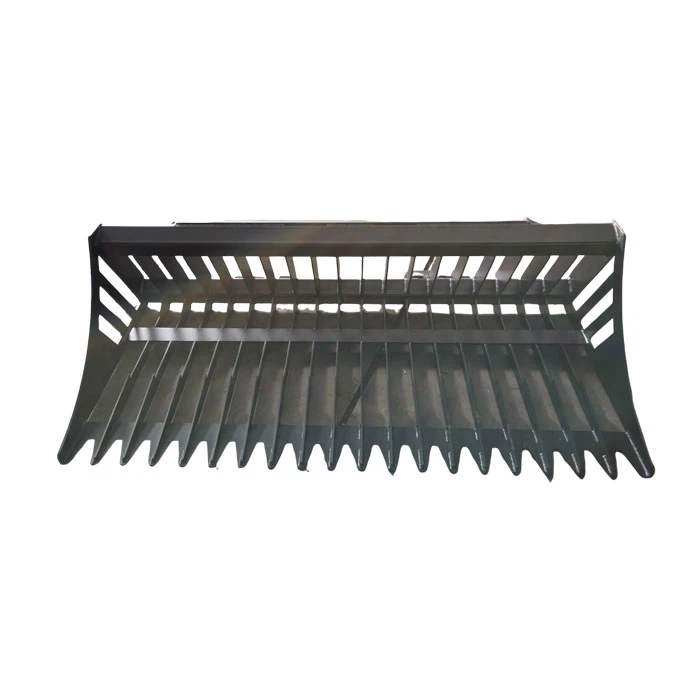

- Clean the Attachment: Use a high-pressure washer or a hose to remove dirt, mud, and other debris from the attachment. Pay special attention to hard-to-reach areas, such as crevices and joints. For stubborn stains, you can use a mild detergent or a specialized cleaner designed for skid steer attachments.
- Lubricate Moving Parts: Apply a high-quality lubricant to all moving parts, such as pins, bushings, and hinges. This helps to prevent rust and corrosion and ensures smooth operation when the attachment is used again.
- Inspect for Damage: Carefully examine the attachment for any signs of damage, such as cracks, dents, or worn-out parts. If you notice any issues, it's important to repair or replace the damaged components before storing the attachment.
- Remove Batteries and Fluids: If the attachment has a battery or contains fluids, such as hydraulic oil or fuel, remove them before storage. This helps to prevent leaks and corrosion and ensures the safety of the storage area.
Choosing the Right Storage Location
The storage location plays a crucial role in protecting your skid steer attachments during the off-season. Here are some factors to consider when choosing a storage location:
- Dry and Ventilated Area: Select a storage area that is dry and well-ventilated to prevent moisture buildup, which can lead to rust and corrosion. Avoid storing the attachments in basements or areas prone to flooding.
- Temperature Control: If possible, choose a storage area with a controlled temperature to protect the attachments from extreme heat or cold. Fluctuations in temperature can cause expansion and contraction of the attachment's components, leading to damage.
- Secure Location: Ensure that the storage area is secure and protected from theft and vandalism. If you're storing the attachments outdoors, consider using a lockable storage shed or a fenced area.
- Elevated Surface: Store the attachments on an elevated surface, such as a pallet or a rack, to prevent them from coming into contact with the ground. This helps to prevent moisture and dirt from accumulating on the attachment.
Storing Different Types of Skid Steer Attachments
Skid steer attachments come in a variety of types, each with its own storage requirements. Here's a guide on how to store some common types of skid steer attachments:
Rock Grapple Bucket
- Clean and Lubricate: As mentioned earlier, clean the rock grapple bucket thoroughly and lubricate all moving parts.
- Store in an Upright Position: To prevent damage to the grapple teeth and the hydraulic cylinders, store the rock grapple bucket in an upright position. You can use a stand or a rack to keep it stable.
- Protect the Grapple Teeth: Cover the grapple teeth with a protective sleeve or a piece of cardboard to prevent them from getting damaged during storage.
Skid Steer Grapple Attachment
- Clean and Inspect: Clean the skid steer grapple attachment and inspect it for any signs of damage. Lubricate the pins and bushings to ensure smooth operation.
- Store Horizontally: If possible, store the skid steer grapple attachment horizontally to prevent stress on the hydraulic cylinders. You can use a pallet or a flat surface to support it.
- Cover the Attachment: Cover the skid steer grapple attachment with a tarp or a protective cover to protect it from dust, dirt, and moisture.
Closed Sweeper
- Clean the Sweeper: Remove all debris from the closed sweeper, including leaves, dirt, and rocks. Use a brush or a vacuum cleaner to clean the inside of the sweeper.
- Lubricate the Brushes: Apply a lubricant to the sweeper brushes to prevent them from drying out and becoming brittle.
- Store in a Protected Area: Store the closed sweeper in a protected area, such as a shed or a garage, to prevent damage to the brushes and the housing.
Regular Maintenance During Storage
Even during the off-season, it's important to perform regular maintenance on your skid steer attachments to ensure they are in good condition when you're ready to use them again. Here are some maintenance tasks you can perform during storage:
- Check for Moisture: Periodically check the storage area for signs of moisture, such as condensation or water stains. If you notice any moisture, take steps to dry the area and protect the attachments.
- Inspect the Attachments: Every few months, inspect the attachments for any signs of damage or wear. Check the lubrication levels and reapply lubricant if necessary.
- Move the Attachments: If possible, move the attachments around every few months to prevent them from sitting in the same position for too long. This helps to prevent flat spots from forming on the tires or other components.
Conclusion
Proper storage of skid steer attachments during the off-season is essential for maintaining their performance and longevity. By following the tips and best practices outlined in this blog, you can ensure that your attachments are protected from damage and are ready to use when the next season arrives.
If you're in the market for high-quality skid steer attachments or need more information on how to store and maintain them, please don't hesitate to contact us. We're here to help you make the most of your skid steer equipment and ensure that your attachments are always in top condition.
References
- Manufacturer's manuals for skid steer attachments
- Industry best practices for equipment storage and maintenance


