

Hey there! As a supplier of digging excavators, I'm super excited to share with you how the steering system of a wheeled digging excavator works. It's a crucial part of these powerful machines, and understanding it can give you a whole new appreciation for what they can do.
The Basics of a Wheeled Digging Excavator
First off, let's talk a bit about wheeled digging excavators. Unlike their tracked counterparts, wheeled excavators are more mobile and can be easily driven on roads to different job sites. They're great for urban construction, utility work, and other projects where you need to move around quickly.
The steering system in a wheeled digging excavator is responsible for controlling the direction of the machine. Just like in a car, you turn the steering wheel, and the excavator follows suit. But it's a bit more complex than that, especially considering the size and weight of these beasts.
Components of the Steering System
The steering system of a wheeled digging excavator consists of several key components:
Steering Wheel and Column
This is where the operator interacts with the steering system. When you turn the steering wheel, it sends a signal through the steering column to the rest of the system. It's like the command center for changing the excavator's direction.
Steering Gearbox
The steering gearbox is responsible for converting the rotational movement of the steering wheel into a linear movement. It takes the relatively small force you apply to the steering wheel and amplifies it so that it can move the large wheels of the excavator. There are different types of steering gearboxes, such as worm and sector, rack and pinion, and recirculating ball, but most modern wheeled excavators use a rack and pinion system because it's more precise and efficient.
Hydraulic System
The hydraulic system is the heart of the steering system in a wheeled digging excavator. It uses pressurized fluid to transfer force and power. When you turn the steering wheel, it activates a hydraulic pump that sends fluid to hydraulic cylinders. These cylinders are connected to the wheels, and as the fluid flows into them, it causes the cylinders to extend or retract, which in turn steers the wheels.
The hydraulic system also provides power steering, which makes it easier for the operator to turn the heavy wheels. Without power steering, it would be extremely difficult to control the direction of the excavator, especially when it's moving or carrying a load.
Tie Rods and Steering Knuckles
Tie rods are metal bars that connect the steering gearbox to the steering knuckles on the wheels. They transmit the linear movement from the gearbox to the wheels, allowing them to turn. The steering knuckles are the parts of the wheel assembly that actually rotate when you turn the steering wheel. They're connected to the wheels and allow them to pivot left or right.
How It All Works Together
Now that we know the components, let's see how they work together to steer the excavator.
When the operator turns the steering wheel, the movement is transferred through the steering column to the steering gearbox. The gearbox converts the rotational movement into a linear movement and sends it to the tie rods. At the same time, the steering wheel activates the hydraulic pump, which sends pressurized fluid to the hydraulic cylinders.

The hydraulic cylinders then use the fluid pressure to move the tie rods and steering knuckles. As the steering knuckles rotate, they turn the wheels in the desired direction. When the operator releases the steering wheel, the hydraulic system returns the wheels to the straight-ahead position.
It's a pretty amazing process, and it all happens in a split second. The steering system of a wheeled digging excavator is designed to be responsive, precise, and reliable, so that the operator can control the machine safely and efficiently.
Importance of a Well-Functioning Steering System
A well-functioning steering system is essential for the safe and efficient operation of a wheeled digging excavator. If the steering system malfunctions, it can lead to serious accidents and damage to the machine. Here are some reasons why a good steering system is so important:
Safety
The steering system allows the operator to control the direction of the excavator, which is crucial for avoiding collisions with other vehicles, pedestrians, or obstacles on the job site. A malfunctioning steering system can make it difficult or impossible to steer the machine, increasing the risk of accidents.
Maneuverability
Wheeled excavators are designed to be highly maneuverable, and a good steering system is essential for achieving this. It allows the operator to make tight turns, navigate around obstacles, and position the machine precisely for different tasks. Without a responsive and precise steering system, the excavator would be much less useful on the job site.
Efficiency
A well-functioning steering system can also improve the efficiency of the excavator. It allows the operator to move the machine quickly and easily between different work areas, reducing downtime and increasing productivity. This is especially important in large construction projects where time is of the essence.
Our Range of Attachments
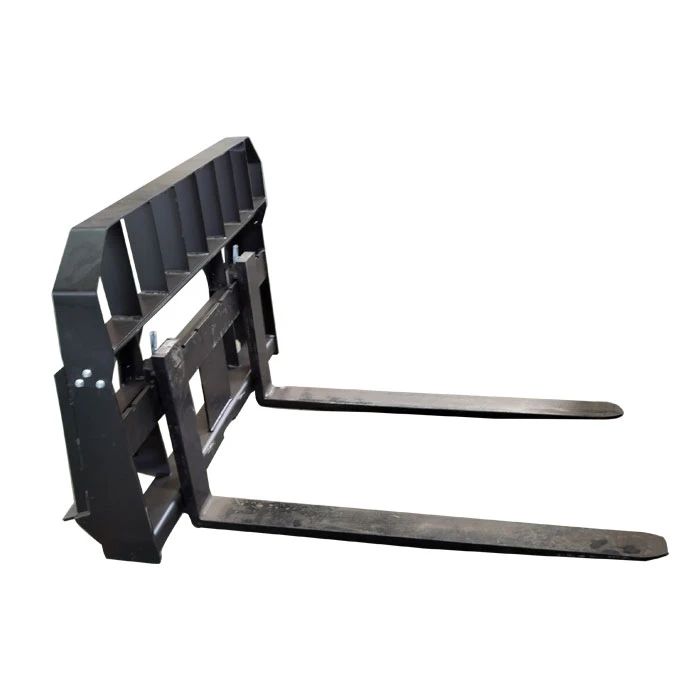
As a digging excavator supplier, we also offer a wide range of attachments to enhance the functionality of our machines. For example, we have Skid Steer Forklift, which is great for lifting and moving heavy loads. Our Skid Steer Cutter is perfect for cutting through vegetation and small trees. And if you need to break up concrete or other hard materials, our Skid Steer Concrete Breaker is the way to go.
These attachments can be easily installed and removed from the excavator, allowing you to customize the machine for different tasks. Whether you're working on a construction site, a landscaping project, or a utility job, we have the right attachment for you.
Contact Us for More Information
If you're interested in learning more about our digging excavators or our range of attachments, don't hesitate to get in touch. We're always happy to answer your questions and provide you with more information. Whether you're looking to purchase a new excavator, upgrade your existing machine, or just need some advice on which attachment is right for your project, we're here to help.
So, if you're in the market for a high-quality digging excavator or any of our attachments, give us a call or send us an email. We look forward to hearing from you and helping you take your construction projects to the next level.
References
- "Construction Equipment Handbook" by Frank W. Andress
- "Heavy Equipment Technology" by David G. Wilson
- Manufacturer's manuals for wheeled digging excavators


