

Hey there! As a skid steer loader supplier, I've seen firsthand how crucial it is to ensure the stability of these machines during operation. Whether you're a seasoned operator or just starting out, keeping your skid steer stable is key to getting the job done safely and efficiently. In this blog post, I'll share some tips and tricks on how to do just that.

Understanding the Basics of Skid Steer Stability
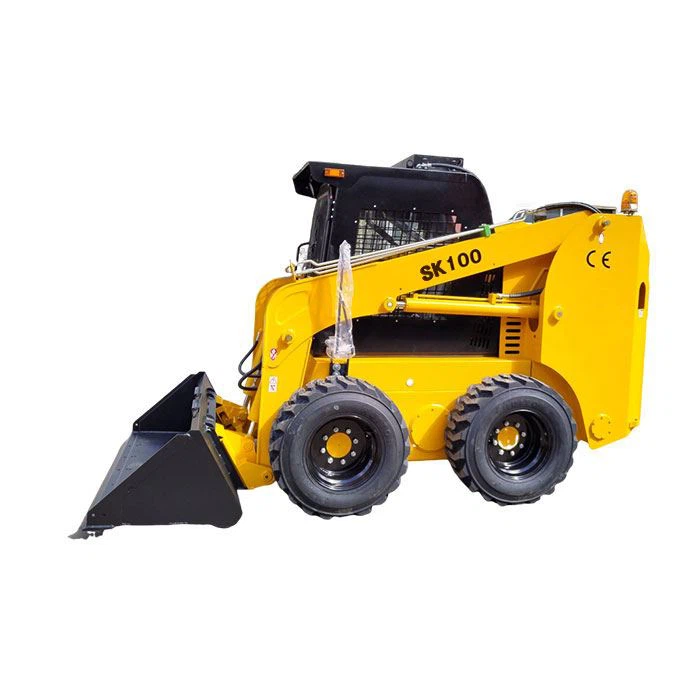
Before we dive into the nitty - gritty of ensuring stability, let's quickly go over what makes a skid steer stable in the first place. A skid steer loader's stability is mainly determined by its center of gravity and the distribution of weight. The center of gravity is the point where the entire weight of the machine can be considered to act. When the center of gravity stays within the base of support (the area defined by the wheels or tracks), the skid steer is stable.
Pre - Operation Checks
- Inspect the Machine: Before you even start the engine, take a good look at your skid steer. Check the tires or tracks for proper inflation and wear. Worn - out tires or tracks can significantly affect stability. Also, look for any loose or damaged parts, such as bolts or hydraulic hoses. If you spot anything that looks off, get it fixed right away.
- Check the Load Capacity: Every skid steer has a specified load capacity. Overloading the machine is a surefire way to compromise its stability. Make sure you know the maximum weight your skid steer can handle and never exceed it.
- Proper Attachment Installation: If you're using an attachment, like a bucket or a fork, make sure it's installed correctly. A poorly attached attachment can shift the center of gravity and make the skid steer unstable.
Operating on Different Terrains
- Flat Ground: On flat and even ground, maintaining stability is relatively easy. However, you still need to be careful when turning or accelerating. Sudden movements can cause the load to shift and throw off the balance. Try to make smooth, gradual turns and avoid sharp stops.
- Uneven Ground: When working on uneven terrain, things get a bit more challenging. First, slow down. High speeds on bumpy ground can make the skid steer bounce around and lose stability. Second, try to keep the machine as level as possible. If you're going up or down a slope, drive straight up or down rather than diagonally. Diagonal movement can increase the risk of tipping over.
- Slopes: Operating a skid steer on slopes requires extra caution. When going uphill, keep the load close to the ground and drive straight up. Going downhill, use the same approach but be extra careful with your braking. Avoid sudden braking, as it can cause the skid steer to slide forward.
Load Management
- Centering the Load: Always try to center the load over the skid steer's center of gravity. This helps to keep the machine balanced. If the load is off - center, it can pull the skid steer to one side and make it unstable.
- Securing the Load: Make sure the load is properly secured. A loose load can shift during operation, which is a major stability hazard. Use straps or other securing devices if necessary.
Operator Training
- Proper Training: One of the most important factors in ensuring skid steer stability is having a well - trained operator. Operators should know how to handle the machine in different situations and be aware of the stability risks. Training programs can teach operators about load management, terrain handling, and safe operating procedures.
- Experience: Experience also plays a big role. The more time an operator spends on a skid steer, the better they'll get at judging stability and making adjustments as needed.
The Importance of Regular Maintenance
- Routine Servicing: Regular servicing is essential for keeping your skid steer in good working condition. This includes oil changes, filter replacements, and inspections of the hydraulic system. A well - maintained machine is more likely to be stable and reliable.
- Alignment Checks: Make sure the wheels or tracks are properly aligned. Misaligned wheels or tracks can cause the skid steer to pull to one side, which affects stability.
Using the Right Skid Steer for the Job
- Machine Selection: Not all skid steers are created equal. Depending on the job you're doing, you may need a different type of skid steer. For example, if you need to work in tight spaces, a smaller skid steer might be more suitable. On the other hand, for heavy - duty tasks, you might want a Large Skid Steer.
- Specialty Skid Steers: There are also specialty skid steers available, like Best Track Skid Steer which offer better traction and stability on certain terrains. And if you have a preference for a specific color, you might consider a Black Skid Steer.
Additional Tips for Stability
- Avoid Over - Extending: When using an attachment that can be extended, like a boom, don't over - extend it. Over - extending can shift the center of gravity too far forward and cause the skid steer to tip.
- Be Aware of Surroundings: Keep an eye on your surroundings at all times. Obstacles, other vehicles, or people can cause you to make sudden maneuvers that affect stability.
Conclusion
Ensuring the stability of a skid steer loader during operation is all about being careful, following the rules, and taking the necessary precautions. By doing pre - operation checks, operating the machine correctly on different terrains, managing the load properly, and keeping up with maintenance, you can significantly reduce the risk of instability.
If you're in the market for a skid steer loader or need more information about how to ensure stability, feel free to reach out. We're here to help you make the right choice and get the most out of your skid steer.
References
- Bobcat Company. Skid - Steer Loader Operator's Manual.
- Caterpillar Inc. Safety Guidelines for Skid - Steer Loaders.


