

Maintaining a compact skid steer is crucial for ensuring its longevity, optimal performance, and safety. As a supplier of compact skid steers, I understand the importance of proper maintenance and am here to share some valuable insights on how to keep your equipment in top - notch condition.
Pre - operation Checks
Before starting your compact skid steer each day, a series of pre - operation checks should be carried out. First, visually inspect the exterior of the machine. Look for any signs of damage such as cracks in the frame, bent components, or loose parts. Check the tires or tracks (if you are using Skid Loader Tracks). For wheeled skid steers, ensure that the tires are properly inflated to the recommended pressure. Incorrect tire pressure can lead to uneven wear, reduced fuel efficiency, and handling issues. For tracked skid steers, examine the tracks for any signs of wear, cuts, or missing links. A damaged track can cause the skid steer to lose traction and may even lead to more serious mechanical problems.

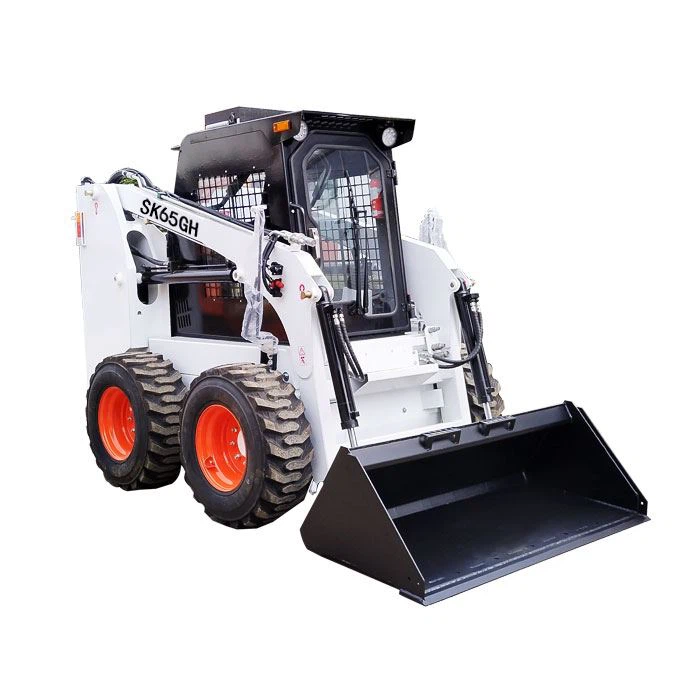
Next, check the fluid levels. This includes the engine oil, hydraulic fluid, coolant, and fuel. Low oil levels can cause engine damage due to insufficient lubrication, while low hydraulic fluid can lead to poor performance of the hydraulic system, which is responsible for operating the loader arms and other attachments. The coolant level should be maintained to prevent the engine from overheating, especially during long hours of operation. Also, make sure there is enough fuel in the tank to complete the day's work.
Inspect the lights, horn, and safety devices. Working lights are essential for operating the skid steer in low - light conditions, and a functioning horn is a safety requirement for alerting others in the work area. Safety devices such as seat belts, roll - over protection structures (ROPS), and falling object protection structures (FOPS) should be in good condition and properly installed.
Regular Maintenance Schedule
Establishing a regular maintenance schedule is key to keeping your compact skid steer running smoothly. Follow the manufacturer's recommended maintenance intervals, which are typically based on the number of operating hours.
Engine Maintenance: The engine is the heart of the skid steer. Regular oil changes are vital. Over time, engine oil breaks down and accumulates contaminants, which can reduce its lubricating properties. Replace the oil filter along with the oil to ensure that the new oil remains clean. Also, inspect and replace the air filter regularly. A clogged air filter restricts the airflow to the engine, reducing its power and efficiency. Check the spark plugs (for gasoline - powered engines) or glow plugs (for diesel - powered engines) and replace them if they are worn or damaged.
Hydraulic System Maintenance: The hydraulic system is responsible for the movement of the loader arms and attachments. Check the hydraulic hoses for any signs of leaks, cracks, or abrasions. A hydraulic leak not only wastes fluid but can also lead to a loss of power in the hydraulic system. Replace any damaged hoses immediately. The hydraulic fluid should be changed at the recommended intervals, and the hydraulic filter should be replaced to remove any contaminants from the fluid.
Greasing: Many moving parts on a compact skid steer require regular greasing to reduce friction and wear. This includes the pivot points of the loader arms, the pins, and other joints. Use the appropriate grease as recommended by the manufacturer and follow the greasing schedule. Failure to grease these parts can lead to premature wear and may result in costly repairs.
Cleaning and Storage
Proper cleaning and storage of your compact skid steer can also significantly extend its lifespan. After each use, clean the machine thoroughly. Remove any dirt, mud, and debris from the body, tires or tracks, and attachments. Use a pressure washer or a hose to clean hard - to - reach areas. Pay special attention to the radiator and cooling fins, as dirt and debris can block the airflow and cause the engine to overheat.
When it comes to storage, park the skid steer in a dry, sheltered area. If possible, store it indoors to protect it from the elements. If outdoor storage is unavoidable, cover the machine with a waterproof tarp. Before storing the skid steer for an extended period, drain the fuel tank or add a fuel stabilizer to prevent the fuel from deteriorating. Also, disconnect the battery to prevent it from discharging.
Operator Training
Well - trained operators play a crucial role in the maintenance of a compact skid steer. Provide comprehensive training to all operators on how to operate the machine correctly. This includes proper starting and stopping procedures, how to use the controls safely, and how to handle different attachments. Operators should be aware of the machine's limitations and should not overload it or operate it in a way that exceeds its capabilities.
Encourage operators to report any unusual noises, vibrations, or performance issues immediately. Early detection of problems can prevent them from escalating into more serious and costly repairs.
Choosing the Right Attachments
Using the right attachments for the job is not only important for productivity but also for the maintenance of the skid steer. Different attachments place different demands on the machine's hydraulic system and engine. Make sure that the attachments are compatible with the skid steer's specifications. Overloading the machine with an inappropriate attachment can cause excessive wear and tear on the engine, hydraulic system, and other components.
Conclusion
Maintaining a compact skid steer requires a combination of pre - operation checks, regular maintenance, proper cleaning and storage, operator training, and the use of appropriate attachments. By following these guidelines, you can ensure that your skid steer remains in good condition, operates efficiently, and has a long service life.
If you are in the market for a new compact skid steer or are looking for high - quality replacement parts and attachments, we are here to help. Whether you need a Large Skid Steer for heavy - duty tasks or a Wheeled Skid Steer for more maneuverability on hard surfaces, we have a wide range of options to meet your needs. Contact us to discuss your requirements and start a procurement negotiation.
References
- Manufacturer's operation and maintenance manuals for compact skid steers.
- Industry best practices for construction equipment maintenance.
- Technical articles on skid steer maintenance from reputable sources.


