

Transporting a large skid-steer loader can be a bit of a headache, but with the right know-how, it can be a smooth process. As a supplier of large skid-steer loaders, I've seen my fair share of transportation challenges and successes. In this blog post, I'll share some tips and tricks on how to transport a large skid-steer loader safely and efficiently.
Pre-Transportation Preparation
Before you even think about moving your skid-steer loader, there are a few things you need to do to prepare. First and foremost, you need to make sure your loader is in good working condition. Check the tires (if it's a Wheeled Skid Steer), tracks (for a Best Track Skid Steer), brakes, and all other vital components. You don't want to be halfway through your journey and have something break down.
Next, you'll need to gather all the necessary documentation. This includes the loader's registration, insurance, and any permits required for transporting heavy equipment. Different states and countries have different rules, so it's crucial to do your research and make sure you're compliant.
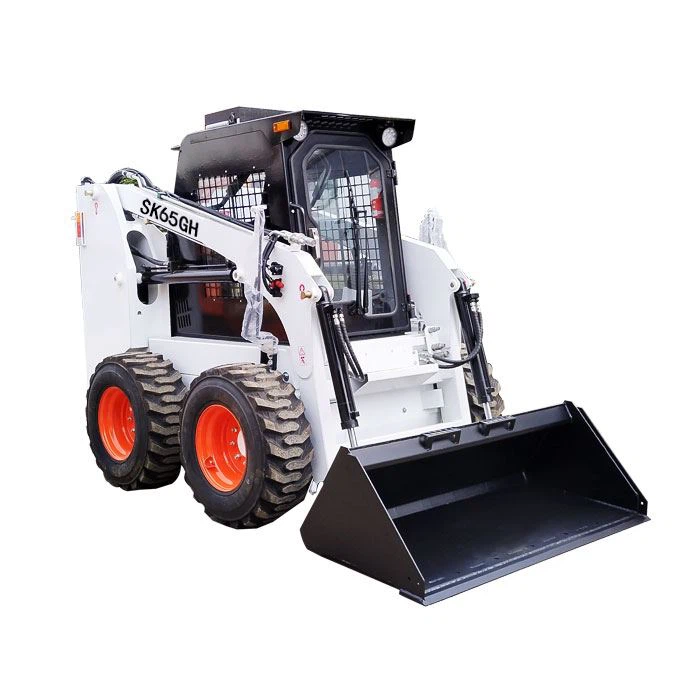

You'll also need to measure your skid-steer loader. Knowing its dimensions and weight is essential for choosing the right trailer and ensuring that you're within the legal limits for transportation. Make sure to measure the length, width, height, and weight of the loader, including any attachments like a Large Skid Steer Bucket.
Choosing the Right Trailer
Selecting the appropriate trailer is a critical step in transporting your skid-steer loader. You need a trailer that can handle the weight and size of your loader. For large skid-steer loaders, a flatbed trailer is often the best choice. It provides a stable platform and easy access for loading and unloading.
When choosing a trailer, pay attention to its weight capacity. Make sure it can handle the weight of your loader plus any additional equipment or attachments. You'll also want to consider the trailer's length and width to ensure that your loader fits comfortably.
Another important factor is the trailer's braking system. A good braking system is essential for safe transportation, especially when carrying heavy loads. Look for a trailer with electric brakes or hydraulic brakes, depending on your needs.
Loading the Skid-Steer Loader
Once you have your trailer ready, it's time to load the skid-steer loader. This is a delicate process that requires careful attention to detail. First, make sure the trailer is parked on a level surface and the brakes are engaged.
Use ramps to drive the loader onto the trailer. Make sure the ramps are secure and properly aligned. Drive the loader slowly and carefully up the ramps, keeping it centered on the trailer. Once the loader is on the trailer, turn off the engine and set the parking brake.
Next, you'll need to secure the loader to the trailer. Use heavy-duty straps or chains to tie down the loader at multiple points. Make sure the straps or chains are tight and secure, but not so tight that they damage the loader. You can also use wheel chocks to prevent the loader from rolling.
Securing the Load
Securing the load is crucial for safe transportation. In addition to tying down the loader, you'll need to make sure any attachments or equipment are also secured. This includes the Large Skid Steer Bucket or any other tools you're transporting with the loader.
Check the straps or chains periodically during your journey to make sure they're still tight. Vibrations and bumps in the road can cause the straps to loosen over time. If you notice any signs of looseness, stop and tighten the straps immediately.
During Transportation
Once your skid-steer loader is loaded and secured, it's time to hit the road. But before you do, make sure you're familiar with the route you'll be taking. Look for any low bridges, narrow roads, or other potential obstacles that could cause problems.
Drive slowly and carefully, especially when going around corners or over bumps. Remember, you're carrying a heavy load, so you need to give yourself plenty of time to stop and maneuver.
Keep an eye on your mirrors and check the load periodically to make sure everything is still secure. If you notice any problems, pull over immediately and address them.
Unloading the Skid-Steer Loader
When you reach your destination, it's time to unload the skid-steer loader. This is the reverse of the loading process. First, make sure the trailer is parked on a level surface and the brakes are engaged.
Remove the wheel chocks and the straps or chains that are securing the loader. Then, slowly and carefully drive the loader off the trailer using the ramps. Make sure to drive straight and keep the loader centered on the ramps.
Once the loader is off the trailer, park it in a safe location and turn off the engine. Congratulations, you've successfully transported your large skid-steer loader!
Conclusion
Transporting a large skid-steer loader requires careful planning and preparation. By following these tips, you can ensure a safe and efficient transportation process. Remember to check your loader's condition, gather the necessary documentation, choose the right trailer, load and secure the load properly, and drive carefully during transportation.
If you're in the market for a large skid-steer loader or need more information about our products, don't hesitate to reach out. We're here to help you find the right equipment for your needs and provide you with all the support you need for transportation and beyond. Contact us today to start the conversation and explore our range of Wheeled Skid Steer, Best Track Skid Steer, and Large Skid Steer Bucket options.
References
- General knowledge and experience in the skid-steer loader industry.
- Transportation regulations and guidelines from relevant authorities.


