

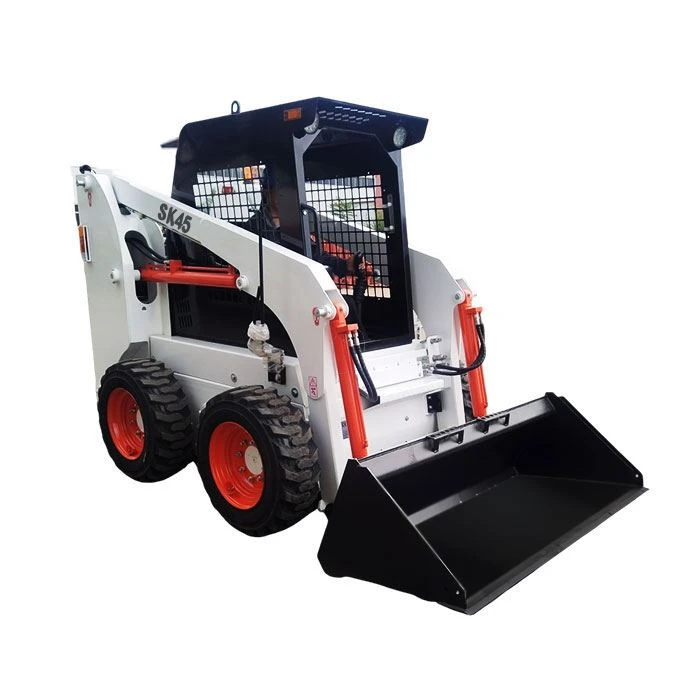
As a supplier of large skid - steer loaders, I understand the importance of properly winterizing these powerful machines. Winter can be a challenging time for skid - steer loaders, as cold temperatures, snow, and ice can take a toll on their performance and longevity. In this blog, I'll share some essential tips on how to winterize a large skid - steer loader to ensure it runs smoothly throughout the cold season.
1. Fluid Checks and Replacements
- Engine Oil: Cold temperatures can thicken engine oil, making it difficult for the engine to circulate the oil properly. Before winter sets in, it's crucial to change the engine oil to a grade suitable for cold weather. Look for oils with a lower viscosity rating, such as 5W - 30 or 0W - 30. These oils flow more easily in cold temperatures, ensuring that the engine is properly lubricated.
- Coolant: The coolant in your skid - steer loader's radiator is responsible for keeping the engine at the right temperature. Check the coolant level and its freeze - protection rating. If the coolant is old or has a low freeze - protection rating, it's time to flush the system and refill it with a high - quality coolant that can withstand the cold. A 50/50 mixture of coolant and water is usually recommended for most climates.
- Hydraulic Fluid: Hydraulic systems are essential for the operation of a skid - steer loader. Cold temperatures can cause hydraulic fluid to thicken, which can lead to slow or unresponsive operation. Similar to engine oil, use a hydraulic fluid with a low - temperature viscosity rating. This will ensure that the hydraulic system operates smoothly, even in cold weather.
2. Battery Maintenance
- Charge and Inspect: A cold battery has less power, and it can be more difficult to start the skid - steer loader in cold weather. Check the battery's charge level and ensure it is fully charged. Inspect the battery terminals for corrosion and clean them if necessary. You can use a mixture of baking soda and water to clean the terminals.
- Battery Warmth: Consider using a battery warmer or insulation kit to keep the battery at a suitable temperature. This can help prevent the battery from losing its charge in cold weather and make it easier to start the loader.
3. Fuel System Preparation
- Fuel Additives: Cold temperatures can cause fuel to gel, which can clog the fuel lines and filters. Add a fuel anti - gel additive to your skid - steer loader's fuel tank. This additive will lower the freezing point of the fuel and prevent it from gelling in cold weather.
- Fuel Filter Replacement: Replace the fuel filter before winter. A clean fuel filter will ensure that the engine receives a steady supply of clean fuel, even in cold conditions.
4. Tire and Track Maintenance
- Tire Pressure: Cold temperatures can cause tire pressure to drop. Check the tire pressure regularly and keep it at the recommended level. Proper tire pressure will ensure good traction and handling, which is especially important in snowy and icy conditions.
- Track Inspection: If your skid - steer loader is equipped with tracks, inspect them for wear and damage. Cold weather can make the tracks more brittle, increasing the risk of cracking or breaking. Replace any worn or damaged tracks before winter to avoid costly breakdowns. You can find high - quality Skid Loader Tracks for your skid - steer loader on our website.
5. Cab and Operator Comfort
- Heating System: Ensure that the heating system in the cab is working properly. A warm cab will keep the operator comfortable during long hours of operation in cold weather. Check the heater core, blower motor, and thermostat for any issues.
- Visibility: Cold weather can cause windows to fog up, reducing visibility. Install a defroster or use an anti - fogging solution on the windows to keep them clear.
6. Storage Considerations
- Indoor Storage: If possible, store your skid - steer loader in an indoor facility during the winter. This will protect the machine from the elements and prevent damage from snow, ice, and freezing temperatures.
- Covering: If indoor storage is not available, cover the skid - steer loader with a heavy - duty tarp. Make sure the tarp is securely fastened to prevent it from blowing off in strong winds.
7. Regular Maintenance Checks
- Pre - Start Checks: Before starting the skid - steer loader in cold weather, perform a thorough pre - start check. Look for any signs of damage or leaks, and ensure that all fluid levels are correct.
- Regular Inspections: Throughout the winter, conduct regular inspections of the skid - steer loader. Check the engine, hydraulic system, and other components for any signs of wear or damage. Address any issues promptly to prevent further damage.
8. Operator Training
- Cold - Weather Operation: Provide your operators with training on how to operate the skid - steer loader in cold weather. This includes starting the machine properly, using the heating system, and being aware of the potential hazards associated with cold weather operation.
- Safety Procedures: Remind operators of the importance of following safety procedures, such as wearing appropriate clothing and using safety equipment.
As a supplier of large skid - steer loaders, we offer a wide range of high - quality machines, including New Skidsteer Loader and Black Skid Steer. If you're in the market for a new skid - steer loader or need parts and maintenance services for your existing machine, we're here to help. Contact us to discuss your requirements, and our team of experts will assist you in finding the best solution for your needs.

References
- "Skid - Steer Loader Maintenance Guide" - Industry publication
- "Cold - Weather Equipment Operation" - Manufacturer's manual


