Hey there! As a supplier of Skid Loader Tracks, I often get asked about the depth of the tread on these tracks. It's a crucial factor that can significantly impact the performance and longevity of your skid steer equipment. So, let's dive right in and explore what the depth of the tread on skid loader tracks really means.
First off, what exactly is tread depth? Well, it's the measurement from the top of the tread rubber to the bottom of the deepest groove. Just like the tires on your car, the tread on skid loader tracks plays a vital role in providing traction, stability, and maneuverability. A deeper tread generally means better grip on various surfaces, whether it's rough terrain, mud, snow, or even smooth concrete.
Now, why does tread depth matter? For starters, it directly affects the skid steer's ability to operate efficiently. In construction sites or agricultural fields, where the ground can be uneven and slippery, a skid steer with tracks that have sufficient tread depth can move around with ease. It can push, pull, and lift heavy loads without getting stuck or losing control. On the other hand, if the tread depth is too shallow, the skid steer may struggle to gain traction, leading to reduced productivity and increased wear and tear on the tracks.
Another important aspect is safety. A skid steer with good tread depth on its tracks is less likely to slip or slide, especially when working on slopes or in wet conditions. This reduces the risk of accidents and ensures the safety of the operator and anyone working in the vicinity.
So, how do you know if the tread depth on your skid loader tracks is sufficient? Well, most manufacturers recommend replacing the tracks when the tread depth reaches a certain level. This level can vary depending on the type of tracks and the application. As a general rule of thumb, if the tread depth is less than 1/4 inch, it's probably time to start thinking about getting new tracks.
But it's not just about reaching the minimum recommended tread depth. You also need to consider the condition of the tracks. If you notice any signs of excessive wear, such as cracks, cuts, or chunks missing from the tread, it's a clear indication that the tracks need to be replaced, even if the tread depth is still above the minimum level.
Now, let's talk about the different types of skid loader tracks and how their tread depths can vary. There are several types of tracks available on the market, each designed for specific applications. For example, Skid Steer Machine tracks are commonly used in general construction and landscaping. These tracks typically have a medium tread depth that provides a good balance between traction and durability.
On the other hand, Large Skid Steer Loader tracks are designed for heavy-duty applications, such as mining and forestry. These tracks usually have a deeper tread depth to provide maximum traction on rough and uneven terrain.
Wheeled Skid Steer tracks, as the name suggests, are used on skid steers with wheels. These tracks are often used in indoor applications or on smooth surfaces, where a shallower tread depth may be sufficient.

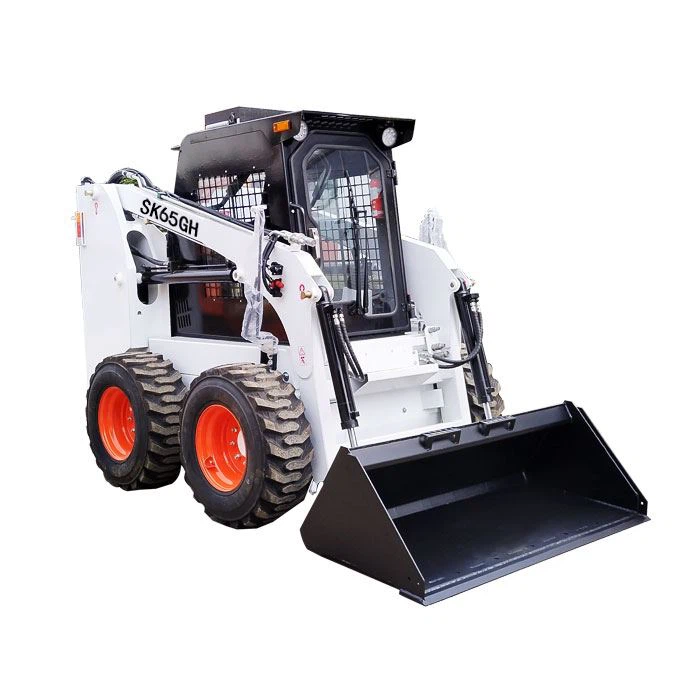
When choosing skid loader tracks, it's important to consider the specific needs of your application. If you're working on soft or muddy ground, you'll need tracks with a deeper tread depth to prevent the skid steer from sinking. If you're working on hard or smooth surfaces, you may be able to get away with tracks that have a shallower tread depth.
In addition to the type of application, you also need to consider the quality of the tracks. Not all skid loader tracks are created equal. Some tracks are made from higher-quality materials and are designed to last longer than others. When you're shopping for tracks, look for a reputable supplier who offers high-quality products.
As a supplier of Skid Loader Tracks, I can tell you that we offer a wide range of tracks to suit different applications and budgets. Our tracks are made from high-quality materials and are designed to provide excellent traction, durability, and performance. Whether you're looking for tracks for a small skid steer or a large, heavy-duty machine, we've got you covered.
So, if you're in the market for new skid loader tracks, don't hesitate to get in touch with us. We'd be happy to help you find the right tracks for your needs and answer any questions you may have. You can reach out to us to start a conversation about your requirements, and we'll work with you to find the best solution.
In conclusion, the depth of the tread on skid loader tracks is an important factor that can have a significant impact on the performance, safety, and longevity of your skid steer equipment. By understanding the importance of tread depth and choosing the right tracks for your application, you can ensure that your skid steer operates efficiently and safely.
References
- Industry knowledge and experience as a Skid Loader Tracks supplier.
- General understanding of skid steer equipment and its components.