

When it comes to the world of construction, landscaping, and various industrial applications, skid steer machines are an indispensable piece of equipment. These versatile workhorses are known for their agility, compact size, and ability to handle a wide range of tasks. One of the most common questions that customers often ask is, "What is the maximum pallet weight a skid steer machine can handle?" As a trusted skid steer machine supplier, I'm here to provide you with a comprehensive answer to this question.
Understanding Skid Steer Machines
Before delving into the maximum pallet weight a skid steer can handle, it's essential to understand the basic components and capabilities of these machines. Skid steer loaders are small, rigid-frame, engine-powered machines with lift arms that can attach to a wide variety of labor-saving tools or attachments. They are designed to turn within their own footprint, which makes them highly maneuverable in tight spaces.
Skid steers come in different sizes and configurations, each with its own set of specifications and capabilities. The size of a skid steer is typically determined by its rated operating capacity (ROC), which is the maximum weight the machine can safely lift and carry. The ROC is usually expressed in pounds and is based on a 35% tipping load. For example, a skid steer with a ROC of 1,500 pounds can safely lift and carry a load of up to 1,500 pounds without tipping over.
Factors Affecting the Maximum Pallet Weight
Several factors can affect the maximum pallet weight a skid steer machine can handle. These factors include:
- Rated Operating Capacity (ROC): As mentioned earlier, the ROC is the most critical factor in determining the maximum weight a skid steer can handle. The higher the ROC, the more weight the machine can safely lift and carry.
- Lift Arm Design: The design of the lift arms can also affect the machine's lifting capacity. Skid steers with vertical lift arms are generally better suited for lifting heavy loads to greater heights, while those with radial lift arms are better for digging and grading.
- Attachment Type: The type of attachment being used can also impact the machine's lifting capacity. For example, a large skid steer bucket may increase the machine's overall weight and reduce its lifting capacity. On the other hand, a specialized lifting attachment may be designed to handle heavier loads.
- Terrain and Surface Conditions: The terrain and surface conditions can also affect the machine's stability and lifting capacity. For example, a skid steer operating on uneven or slippery terrain may have a reduced lifting capacity due to the increased risk of tipping over.
- Operator Skill and Experience: The skill and experience of the operator can also play a role in determining the maximum pallet weight a skid steer can handle. A skilled operator will be able to operate the machine safely and efficiently, maximizing its lifting capacity.
Determining the Maximum Pallet Weight
To determine the maximum pallet weight a skid steer machine can handle, you need to consider the factors mentioned above and consult the machine's operator's manual. The operator's manual will provide you with the machine's ROC, as well as any other specifications and limitations that may affect its lifting capacity.

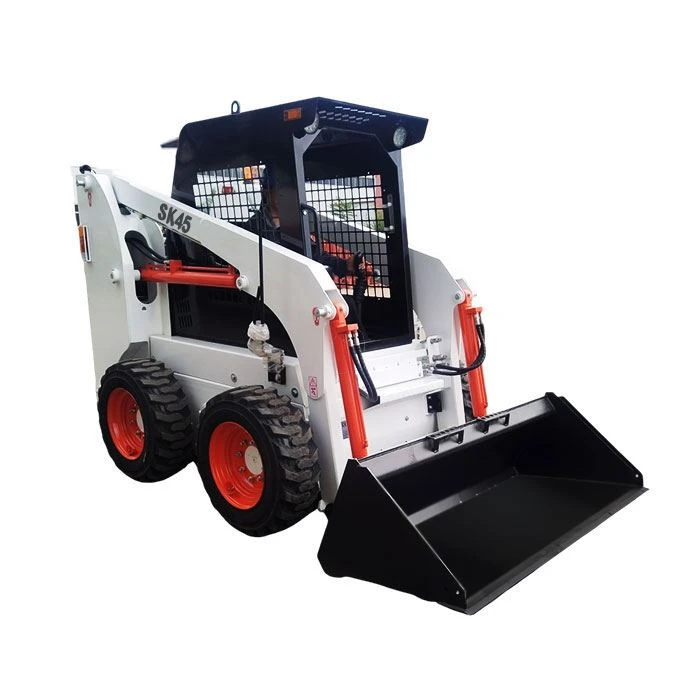
In general, skid steers with a ROC of 1,500 to 2,000 pounds can handle pallets weighing up to 1,000 to 1,500 pounds. Skid steers with a ROC of 2,000 to 3,000 pounds can handle pallets weighing up to 1,500 to 2,500 pounds. And skid steers with a ROC of 3,000 pounds or more can handle pallets weighing up to 2,500 pounds or more.
It's important to note that these are just general guidelines, and the actual maximum pallet weight a skid steer can handle may vary depending on the specific machine and operating conditions. Always consult the machine's operator's manual and follow all safety guidelines when operating a skid steer.
Choosing the Right Skid Steer for Your Needs
When choosing a skid steer machine for your specific needs, it's important to consider the maximum pallet weight you'll need to handle. If you'll be working with heavy pallets on a regular basis, you'll need a skid steer with a higher ROC. On the other hand, if you'll be working in tight spaces or with lighter loads, a smaller skid steer with a lower ROC may be more suitable.
In addition to the ROC, you'll also need to consider other factors such as the type of attachments you'll be using, the terrain and surface conditions, and your budget. At our company, we offer a wide range of skid steer machines to meet the needs of different customers. Whether you're looking for a New Skidsteer Loader, a Large Skid Steer Bucket, or a New Skidsteer, we have the right machine for you.
Safety Considerations
When operating a skid steer machine, it's important to follow all safety guidelines to prevent accidents and injuries. Here are some safety tips to keep in mind:
- Read the Operator's Manual: Before operating a skid steer, make sure you read and understand the operator's manual. The manual will provide you with important information about the machine's operation, maintenance, and safety features.
- Wear Proper Safety Gear: Always wear proper safety gear, such as a hard hat, safety glasses, gloves, and steel-toed boots, when operating a skid steer.
- Inspect the Machine Before Use: Before each use, inspect the skid steer for any signs of damage or wear. Check the tires, brakes, hydraulic system, and other components to make sure they are in good working condition.
- Use the Right Attachment for the Job: Make sure you use the right attachment for the job you're doing. Using the wrong attachment can increase the risk of accidents and damage to the machine.
- Operate the Machine at a Safe Speed: Always operate the skid steer at a safe speed, especially when carrying heavy loads. Avoid sudden stops, starts, and turns, as these can cause the machine to tip over.
- Keep a Safe Distance from Others: When operating a skid steer, make sure you keep a safe distance from other people and equipment. Avoid operating the machine in crowded areas or near pedestrians.
Conclusion
In conclusion, the maximum pallet weight a skid steer machine can handle depends on several factors, including the machine's rated operating capacity, lift arm design, attachment type, terrain and surface conditions, and operator skill and experience. By considering these factors and choosing the right skid steer for your needs, you can ensure that you're able to handle your pallet lifting tasks safely and efficiently.
If you're in the market for a skid steer machine, we invite you to contact us to learn more about our products and services. Our team of experts will be happy to help you choose the right machine for your specific needs and provide you with all the information you need to make an informed decision. We look forward to hearing from you and helping you take your business to the next level.
References
- Manufacturer's specifications and operator's manuals for skid steer machines.
- Industry standards and guidelines for skid steer operation and safety.


