

As a supplier of large skid steers, I often receive inquiries about the oil capacity of these powerful machines. Understanding the oil capacity is crucial for proper maintenance, ensuring optimal performance, and extending the lifespan of the equipment. In this blog post, I will delve into the details of the oil capacity of large skid steers, exploring the factors that influence it and providing valuable insights for operators and potential buyers.
What Determines the Oil Capacity of a Large Skid Steer?
The oil capacity of a large skid steer is influenced by several factors, including the size and type of the engine, the hydraulic system, and the overall design of the machine. Let's take a closer look at each of these factors:
Engine Size and Type
The engine is the heart of any skid steer, and its size and type play a significant role in determining the oil capacity. Larger engines typically require more oil to lubricate the moving parts and maintain proper operating temperatures. Additionally, different engine types, such as diesel or gasoline, may have different oil requirements. Diesel engines, for example, generally require more oil due to their higher compression ratios and greater heat generation.
Hydraulic System
The hydraulic system is another critical component of a large skid steer, responsible for powering the various attachments and functions of the machine. The size and complexity of the hydraulic system can also impact the oil capacity. Larger hydraulic systems with more components and higher pressure ratings may require more oil to ensure smooth operation and prevent overheating.
Overall Design
The overall design of the skid steer, including the frame, tank size, and oil circulation system, can also affect the oil capacity. Some skid steers are designed with larger oil tanks to accommodate longer operating periods without the need for frequent refilling. Additionally, the efficiency of the oil circulation system can impact how effectively the oil is distributed throughout the machine, which can also influence the required oil capacity.
Typical Oil Capacities for Large Skid Steers
While the oil capacity of a large skid steer can vary depending on the specific make and model, there are some general guidelines that can give you an idea of what to expect. On average, a large skid steer with a diesel engine may have an oil capacity ranging from 10 to 20 gallons (38 to 76 liters). However, it's important to note that this is just a rough estimate, and the actual oil capacity can vary significantly based on the factors mentioned above.
For example, a smaller large skid steer with a less powerful engine and a simpler hydraulic system may have an oil capacity closer to the lower end of the range, while a larger, more powerful skid steer with a complex hydraulic system and a larger engine may require more oil, closer to the upper end of the range.
Importance of Maintaining the Proper Oil Level
Maintaining the proper oil level in a large skid steer is essential for several reasons. First and foremost, the oil serves as a lubricant, reducing friction between the moving parts of the engine and hydraulic system. This helps to prevent wear and tear, extending the lifespan of the components and reducing the risk of costly repairs.
In addition to lubrication, the oil also plays a crucial role in cooling the engine and hydraulic system. As the oil circulates through the machine, it absorbs heat and carries it away from the critical components. If the oil level is too low, the machine may overheat, leading to decreased performance, increased fuel consumption, and potential damage to the engine or hydraulic system.
Finally, maintaining the proper oil level is also important for ensuring optimal performance. When the oil level is too low, the machine may experience reduced power, slower response times, and difficulty operating the attachments. By keeping the oil level at the recommended level, you can ensure that your skid steer operates at its best, maximizing productivity and efficiency.
How to Check and Maintain the Oil Level
Checking and maintaining the oil level in a large skid steer is a relatively simple process, but it's important to follow the manufacturer's recommendations to ensure accurate results. Here's a step-by-step guide on how to check and maintain the oil level:
- Park the Skid Steer on a Level Surface: Before checking the oil level, make sure the skid steer is parked on a level surface and the engine is turned off. This will ensure that the oil is evenly distributed throughout the tank and that you get an accurate reading.
- Locate the Oil Dipstick: The oil dipstick is typically located near the engine or hydraulic system. It's usually a long, thin rod with a loop or handle at the end. Refer to the owner's manual for the exact location of the oil dipstick on your specific skid steer.
- Remove the Oil Dipstick and Wipe it Clean: Once you've located the oil dipstick, remove it from the engine or hydraulic system and wipe it clean with a clean, lint-free cloth. This will ensure that you get an accurate reading of the oil level.
- Reinsert the Oil Dipstick and Remove it Again: After wiping the oil dipstick clean, reinsert it into the engine or hydraulic system all the way down. Then, remove it again and check the oil level. The oil level should be between the minimum and maximum marks on the dipstick. If the oil level is below the minimum mark, you'll need to add oil.
- Add Oil if Necessary: If the oil level is below the minimum mark, you'll need to add oil to bring it up to the recommended level. Use the type and grade of oil recommended by the manufacturer, and add the oil slowly to avoid overfilling. Check the oil level again after adding the oil to ensure that it's at the proper level.
- Replace the Oil Dipstick: Once you've added the oil and checked the level, replace the oil dipstick securely. Make sure it's fully inserted and that the cap is tightened to prevent any oil from leaking.
Conclusion
In conclusion, understanding the oil capacity of a large skid steer is essential for proper maintenance and optimal performance. By considering the factors that influence the oil capacity, such as the engine size and type, the hydraulic system, and the overall design of the machine, you can get a better idea of how much oil your skid steer requires.
Maintaining the proper oil level is also crucial for ensuring the longevity and reliability of your skid steer. By following the manufacturer's recommendations and regularly checking and maintaining the oil level, you can prevent wear and tear, reduce the risk of overheating, and ensure that your skid steer operates at its best.

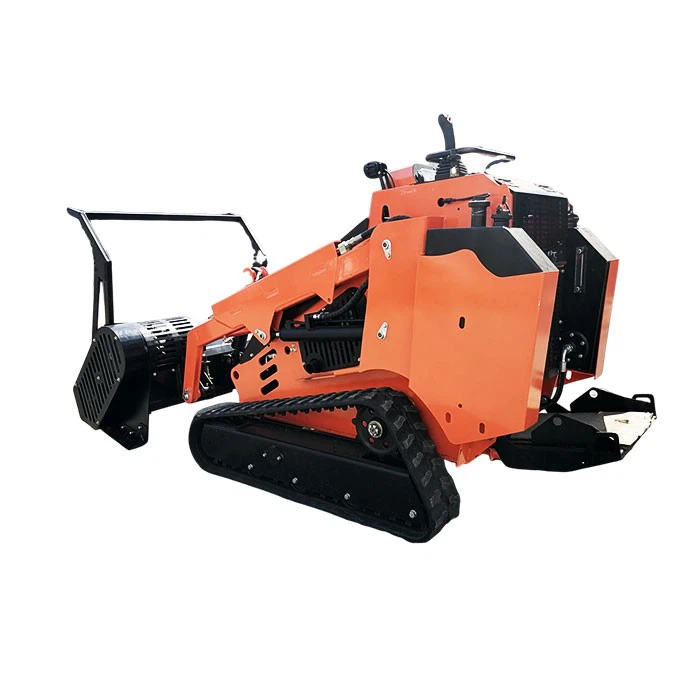
If you're in the market for a large skid steer, or if you have any questions about the oil capacity or maintenance of your existing skid steer, please don't hesitate to contact us. As a leading supplier of Large Skid Steer Loader, Mini Skid Tracks, and Large Skidsteer Loader, we have the expertise and experience to help you find the right equipment for your needs and provide you with the support and guidance you need to keep it running smoothly.
References
- Manufacturer's Owner's Manuals
- Industry Publications and Technical Resources


