

Hey there! As a supplier of Rock Grapple Buckets, I'm often asked about the power source for these beasts. So, let's dive right in and figure out what makes these Rock Grapple Buckets tick.
First off, we gotta understand what a Rock Grapple Bucket is. It's a heavy - duty attachment that's designed to pick up, move, and handle large rocks, debris, and other bulky materials on construction sites, landscaping projects, and mining operations. It's like a giant mechanical hand that can grab and hold on tight to whatever it's tasked with.
Now, let's talk about the power sources. There are a few common ones out there, and each has its own pros and cons.
Hydraulic Power
Hydraulic power is by far the most popular power source for Rock Grapple Buckets. Why? Well, simply put, it's powerful and reliable. Most skid steers, excavators, and other heavy machinery are already equipped with hydraulic systems, so it's a natural fit.
Hydraulic systems work on the principle of transmitting force through a fluid, usually oil. When you operate the controls in the machinery's cabin, hydraulic fluid is pumped into the cylinders of the Rock Grapple Bucket. This fluid pressure causes the cylinders to extend or retract, which in turn opens and closes the grapple's jaws.
One of the biggest advantages of hydraulic power is its ability to generate a tremendous amount of force. This allows the Rock Grapple Bucket to grab onto large, heavy rocks with ease. It's also very precise, which means you can control the opening and closing of the jaws just the way you want.
However, hydraulic systems do require some maintenance. The hydraulic fluid needs to be checked and changed regularly to prevent contamination and ensure smooth operation. And if there's a leak in the system, it can be a real pain to fix.
Electric Power
Electric - powered Rock Grapple Buckets are becoming more popular, especially in smaller - scale applications or in areas where noise and emissions are a concern. These buckets are powered by an electric motor, which is usually connected to the power supply of the host machine.
The main advantage of electric power is that it's clean and quiet. There are no emissions, so it's better for the environment. It also requires less maintenance compared to hydraulic systems, as there are no fluids to change or leaks to worry about.

But electric power does have its limitations. It typically doesn't generate as much force as hydraulic power, so it may not be suitable for handling extremely large or heavy rocks. And if the power supply is cut off, the bucket won't work.
Pneumatic Power
Pneumatic - powered Rock Grapple Buckets use compressed air to operate. The compressed air is stored in a tank and then released into the cylinders of the bucket to open and close the jaws.
Pneumatic systems are relatively simple and inexpensive. They're also lightweight, which can be an advantage in some applications. However, they don't offer as much power as hydraulic systems, and the air supply needs to be constantly maintained. If the air pressure drops, the performance of the bucket will be affected.
Choosing the Right Power Source
When it comes to choosing the right power source for your Rock Grapple Bucket, there are a few factors to consider.
First, think about the type of work you'll be doing. If you're dealing with large, heavy rocks on a regular basis, a hydraulic - powered bucket is probably your best bet. It has the power and durability to handle tough jobs.
If you're working in a smaller area or in an environment where noise and emissions are a concern, an electric - powered bucket might be a better choice. It's clean, quiet, and easy to maintain.
For lighter - duty applications or in situations where cost is a major factor, a pneumatic - powered bucket could be worth considering. Just keep in mind its limitations in terms of power.
Our Other Offerings
As a supplier, we're not just limited to Rock Grapple Buckets. We also offer some other great attachments for your skid steers. Check out our Powerful & Versatile Skid Steer Auger Attachments. These augers are perfect for drilling holes in the ground for fence posts, tree planting, or other projects.
We also have the Four in One Bucket Attachment for Skid Steer. This attachment is like having four different tools in one. You can use it as a bucket, a dozer blade, a fork, and a grabber. It's super versatile and can save you a lot of time and money on your projects.
If you need to break up concrete or other hard materials, take a look at our Skid Steer Concrete Breaker. It's a powerful tool that can make short work of any concrete slab.
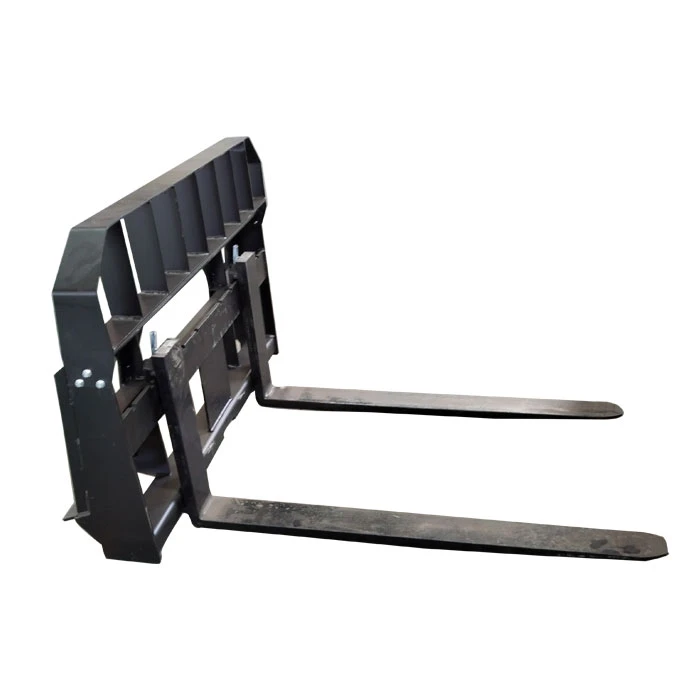
Our Skid Steer Grapple Attachment comes in handy when you need to pick up and move loose materials like brush, logs, or debris. And the Skid Steer Forklift is great for lifting and moving pallets or other heavy objects.
Contact Us
If you're in the market for a Rock Grapple Bucket or any of our other attachments, we'd love to hear from you. We can provide you with more information, answer your questions, and help you choose the right product for your needs. Contact us to start the procurement discussion. We're ready to assist you in making your project a success!
References
- Construction Equipment Handbook. A comprehensive guide to heavy machinery and their attachments.
- Hydraulic Systems Manual. Detailing the principles and operation of hydraulic power systems.
- Electric and Pneumatic Tools in Construction. An overview of the use of non - hydraulic power sources in construction equipment.


