

As a seasoned supplier of large skid steers, I've spent countless hours observing these powerful machines in action. One of the most frequently asked questions by our customers is about the stability of large skid steers when lifting heavy loads. In this blog, I'll delve into the factors that contribute to the stability of these vehicles and why it matters.
Understanding the Basics of Skid Steer Stability
Skid steers are known for their versatility and maneuverability, making them indispensable in construction, agriculture, and landscaping. A large skid steer, with its enhanced lifting capacity and robust build, is designed to handle substantial loads. However, stability is paramount when a significant amount of weight is involved.
Stability refers to the ability of the skid steer to remain upright and balanced under various operating conditions, especially when lifting heavy loads. A stable skid steer is safe to operate and reduces the risk of accidents and equipment damage.
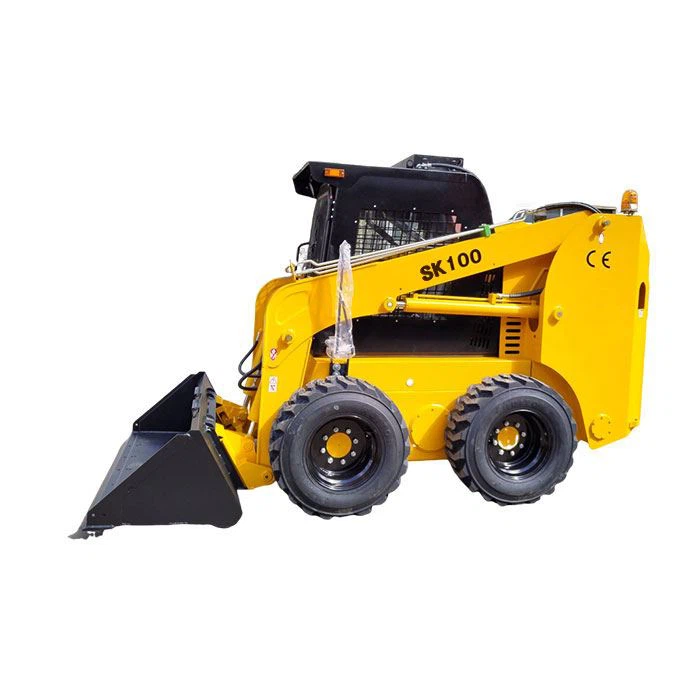

Factors Affecting the Stability of Large Skid Steers
- Center of Gravity: The center of gravity (CG) is a crucial concept in understanding skid steer stability. It is the point at which the total weight of the machine and its load is considered to be concentrated. When a large skid steer lifts a heavy load, the position of the CG changes. If the load is too far forward, rearward, or to the side, the CG can shift outside the base of support, causing the skid steer to tip over.
- Wheelbase and Track Width: The wheelbase (the distance between the front and rear axles) and track width (the distance between the left and right wheels) play a significant role in stability. A larger wheelbase and track width provide a wider base of support, which helps keep the skid steer stable. Our Large Skid Steer models are designed with optimized wheelbase and track width to ensure maximum stability during heavy lifting operations.
- Tire Type and Condition: The type and condition of the tires can also affect stability. Tires with good traction and proper inflation help distribute the weight evenly and prevent slippage. Worn or under - inflated tires can reduce stability and increase the risk of accidents. It is essential to regularly inspect and maintain the tires on your large skid steer.
- Load Capacity and Distribution: Every skid steer has a specified load capacity, which indicates the maximum weight it can safely lift. Exceeding this capacity can compromise stability. Additionally, how the load is distributed on the attachment is crucial. A load that is unevenly distributed can cause the skid steer to become unbalanced.
Importance of Stability in Heavy - Load Lifting
- Safety: Safety is the most obvious reason for ensuring stability when lifting heavy loads. A tip - over can result in serious injuries to the operator and damage to the equipment. According to industry statistics, a significant number of skid steer accidents are related to instability during lifting operations.
- Efficiency: A stable skid steer allows for more efficient operation. When the machine is balanced, the operator can focus on the task at hand without having to worry about preventing a tip - over. This leads to increased productivity and reduced downtime.
- Equipment Longevity: Operating a skid steer in an unstable state can put excessive stress on the components. This can lead to premature wear and tear, resulting in costly repairs and replacements. By maintaining stability, you can extend the lifespan of your large skid steer.
How Our Large Skid Steers Ensure High Stability
At our company, we take stability seriously. Our engineers design and manufacture large skid steers with the latest technology and best - practices to ensure optimal stability.
- Advanced Design: We use computer - aided design (CAD) software to optimize the layout of the machine. This includes calculating the ideal center of gravity for different load configurations and ensuring that the wheelbase and track width provide a wide base of support.
- Quality Materials: We use high - strength materials in the construction of our skid steers. This not only makes the machine more durable but also helps in maintaining stability. The frame is designed to withstand the stress of heavy - load lifting, and the hydraulic system is precisely calibrated to ensure smooth and stable operation.
- Safety Features: Our large skid steers are equipped with a range of safety features to enhance stability. These include load - sensing systems that alert the operator if the load exceeds the recommended capacity and stability control systems that automatically adjust the machine's operation to maintain balance.
Comparing Large Skid Steers with Other Types
- Compact Skid Steers: Compact Skid Steers are smaller and more maneuverable than large skid steers. However, they have a lower load capacity and may not be as stable when lifting heavy loads. Large skid steers are better suited for applications where significant weight needs to be lifted, such as moving large pallets of construction materials or heavy equipment.
- Black Skid Steers: Our Black Skid Steer models are designed with a focus on both style and performance. They offer similar stability features as our other large skid steers but with a unique aesthetic appeal. Whether you're working on a high - profile construction site or a private landscaping project, the black skid steer combines functionality with a sleek look.
Tips for Maintaining Stability When Lifting Heavy Loads
- Pre - operation Inspection: Before starting any lifting operation, conduct a thorough inspection of the skid steer. Check the tires, hydraulic system, and attachment for any signs of damage or wear. Make sure the load is properly secured to the attachment.
- Proper Load Placement: When attaching the load, ensure it is centered and balanced. Avoid placing the load too far forward or to the side. If necessary, use additional support or counterweights to maintain balance.
- Slow and Steady Operation: When lifting and moving a heavy load, use slow and controlled movements. Sudden starts, stops, or turns can cause the load to shift and the skid steer to become unstable.
- Operator Training: A well - trained operator is essential for safe and stable operation. Make sure your operators are familiar with the skid steer's controls, load capacity, and stability features. Provide regular training and refresher courses to keep their skills up - to - date.
Conclusion
The stability of a large skid steer when lifting heavy loads is a complex yet crucial aspect of its operation. By understanding the factors that affect stability, such as the center of gravity, wheelbase, tire condition, and load distribution, you can ensure safe and efficient use of the machine.
Our company is committed to providing high - quality large skid steers that offer exceptional stability. Whether you're in the market for a reliable workhorse for your construction site or a versatile machine for your agricultural needs, our large skid steers are designed to meet your requirements.
If you're interested in learning more about our large skid steer offerings or would like to discuss your specific needs, please don't hesitate to get in touch. We're here to help you make the right choice for your business.
References
- "Skid Steer Loader Safety Manual", Construction Equipment Manufacturer's Association.
- "Heavy Equipment Stability Analysis", Journal of Mechanical Engineering and Technology.
- "Best Practices for Operating Skid Steers with Heavy Loads", Professional Construction Magazine.


