

Skid steer cutters are invaluable tools in various industries, from construction and landscaping to forestry. As a leading skid steer cutter supplier, I understand the importance of proper maintenance to ensure these machines operate at their best. In this blog post, I'll delve into the essential maintenance tasks that every skid steer cutter owner should perform regularly.
Daily Maintenance Checks
Before starting any work with your skid steer cutter, it's crucial to conduct a series of daily maintenance checks. These checks are quick and easy to perform but can prevent many potential issues down the line.
Visual Inspection
Begin by visually inspecting the entire skid steer cutter. Look for any signs of damage, such as cracks, dents, or loose parts. Pay close attention to the cutting blades, as they are the most critical components of the machine. Check for any signs of wear or dullness, and if necessary, replace the blades immediately.
Inspect the hydraulic hoses and connections for any leaks or damage. Hydraulic systems are essential for the operation of skid steer cutters, and even a small leak can lead to significant problems. If you notice any leaks, tighten the connections or replace the hoses as needed.
Fluid Levels
Check the fluid levels in the skid steer cutter, including the hydraulic fluid, engine oil, and coolant. Low fluid levels can cause the machine to overheat or malfunction, so it's essential to keep them at the recommended levels. Refer to the manufacturer's manual for the correct fluid types and levels.
Tire Pressure
If your skid steer cutter is equipped with tires, check the tire pressure regularly. Proper tire pressure ensures optimal performance and stability, and it can also extend the life of the tires. Use a tire pressure gauge to check the pressure and inflate or deflate the tires as needed.
Weekly Maintenance Tasks
In addition to the daily maintenance checks, there are several weekly maintenance tasks that you should perform to keep your skid steer cutter in top condition.
Blade Sharpening
The cutting blades of a skid steer cutter are subject to a lot of wear and tear, especially when used in tough conditions. To ensure optimal cutting performance, it's essential to sharpen the blades regularly. You can either sharpen the blades yourself using a sharpening tool or take them to a professional blade sharpening service.
Greasing
Skid steer cutters have many moving parts that require lubrication to operate smoothly. Grease all the pivot points, bearings, and joints on the machine according to the manufacturer's recommendations. This will help reduce friction and wear, and it can also prevent premature failure of the components.
Filter Replacement
The filters in a skid steer cutter, such as the air filter, fuel filter, and hydraulic filter, play a crucial role in protecting the engine and hydraulic system from contaminants. Replace the filters at the recommended intervals to ensure optimal performance and longevity of the machine.
Monthly Maintenance Checks
Monthly maintenance checks are more comprehensive than the daily and weekly tasks and are designed to catch any potential issues before they become major problems.
Belt Inspection
Check the belts on the skid steer cutter for any signs of wear, cracking, or stretching. Belts are used to transfer power from the engine to the various components of the machine, and a worn or damaged belt can cause the machine to malfunction. If you notice any issues with the belts, replace them immediately.
Battery Maintenance
Inspect the battery of the skid steer cutter for any signs of corrosion or damage. Clean the battery terminals with a wire brush and apply a thin layer of petroleum jelly to prevent corrosion. Check the battery fluid level and add distilled water if necessary.
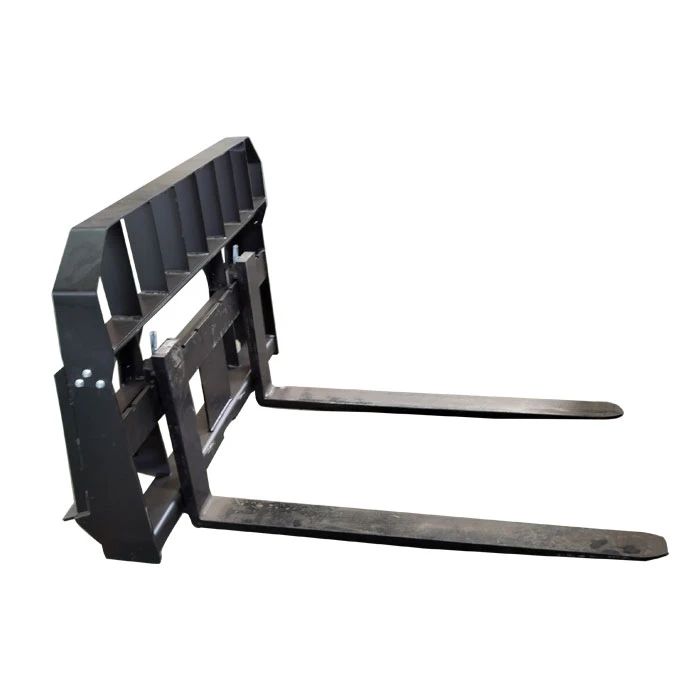

Structural Inspection
Perform a thorough inspection of the skid steer cutter's frame and structure for any signs of damage or fatigue. Look for cracks, rust, or any other signs of wear that could compromise the integrity of the machine. If you notice any issues, have them repaired by a qualified technician.
Seasonal Maintenance
In addition to the daily, weekly, monthly, and annual maintenance tasks, there are also some seasonal maintenance tasks that you should perform to prepare your skid steer cutter for different weather conditions.
Winterization
If you live in an area with cold winters, it's essential to winterize your skid steer cutter to prevent damage from freezing temperatures. This includes draining the water from the hydraulic system, adding antifreeze to the coolant, and storing the machine in a warm, dry place.
Spring Cleaning
In the spring, it's a good idea to give your skid steer cutter a thorough cleaning to remove any dirt, debris, or rust that may have accumulated over the winter. This will help prevent corrosion and keep the machine looking its best.
Importance of Regular Maintenance
Regular maintenance is essential for the performance, reliability, and longevity of a skid steer cutter. By following the maintenance schedule outlined in the manufacturer's manual and performing the tasks described in this blog post, you can ensure that your skid steer cutter operates at its best and avoids costly breakdowns and repairs.
In addition to the practical benefits of regular maintenance, it can also save you money in the long run. By preventing major problems from occurring, you can avoid expensive repairs and downtime, which can have a significant impact on your productivity and bottom line.
Conclusion
As a skid steer cutter supplier, I know firsthand the importance of proper maintenance. By following the maintenance tips outlined in this blog post, you can keep your skid steer cutter in top condition and ensure that it performs at its best for years to come.
If you're in the market for a skid steer cutter or any other skid steer attachments, such as Powerful & Versatile Skid Steer Auger Attachments, Skid Steer Grapple Attachment, or Skid Steer Forklift, please don't hesitate to contact us. We offer a wide range of high-quality skid steer cutters and attachments at competitive prices, and our team of experts is always available to answer your questions and provide you with the best advice.
References
- Manufacturer's manual for the skid steer cutter
- Industry best practices for skid steer cutter maintenance


