

Hey there! As a skid steer supplier, I know how important it is to use these machines safely and efficiently, especially in hot weather. Skid steers are super versatile and can handle all sorts of jobs, but the heat can really throw a wrench in things if you're not careful. So, let's talk about what you should do when using a skid steer in hot weather.
Pre - Operation Checks
Before you even fire up that skid steer, there are some crucial pre - operation checks you need to do. First off, check the coolant level. In hot weather, the engine can overheat quickly, and having enough coolant is key to preventing this. Open up the radiator cap (make sure the engine is cool first!) and check that the coolant is at the appropriate level. If it's low, top it up with the right type of coolant. You don't want to use just any old water; it needs to be a proper coolant mixture to protect the engine from corrosion and overheating.
Next, take a look at the oil. The oil lubricates the engine's moving parts, and in hot weather, it can break down faster. Check the oil level using the dipstick. If it's low, add the recommended oil for your skid steer. Also, pay attention to the oil's color and consistency. If it looks dirty or gritty, it might be time for an oil change.
Don't forget about the tires. High temperatures can cause the air in the tires to expand, increasing the pressure. Check the tire pressure with a tire gauge and make sure it's at the manufacturer's recommended level. Over - inflated tires can lead to uneven wear and a bumpy ride, while under - inflated tires can make the skid steer less efficient and put more strain on the engine.
Hydraulic System Checks
The hydraulic system is the heart of a skid steer, and it's especially important to keep it in good shape in hot weather. Check the hydraulic fluid level. Low hydraulic fluid can cause the system to overheat, leading to reduced performance and potential damage. If the fluid is low, add the appropriate hydraulic fluid as specified in the skid steer's manual.
Inspect the hydraulic hoses for any signs of wear, cracks, or leaks. Hot weather can make the hoses more brittle, increasing the risk of failure. If you notice any issues with the hoses, replace them immediately. A leaky hydraulic hose can not only reduce the performance of the skid steer but also be a safety hazard.
Operator Comfort
Hot weather can be tough on the operator as well. Make sure the skid steer has a working air - conditioning system. If it doesn't, consider adding a portable air - cooling unit. Staying cool is essential for maintaining focus and preventing heat - related illnesses.
Provide plenty of water for the operator. Dehydration is a major concern in hot weather, and it can lead to fatigue, dizziness, and even heat stroke. Encourage the operator to take regular breaks and drink water frequently. A good rule of thumb is to drink at least one liter of water every hour when working in hot conditions.
Operating the Skid Steer
When operating the skid steer in hot weather, it's important to take it easy. Avoid overloading the machine, as this can put extra strain on the engine and cause it to overheat. If you need to move heavy loads, make multiple trips instead of trying to carry too much at once.
Keep an eye on the temperature gauges. If the engine temperature starts to rise too high, stop the machine and let it cool down. Continuing to operate a hot engine can cause serious damage. You can also reduce the workload on the engine by using the skid steer's power - saving mode if it has one.
Don't forget about the attachments. Different attachments can put different demands on the skid steer, so make sure you're using the right one for the job. For example, a large bucket might be more efficient for moving large amounts of material, but it can also put more strain on the engine.
Maintenance During Hot Weather
Regular maintenance is even more important in hot weather. In addition to the pre - operation checks, you should perform more frequent maintenance tasks. Change the air filter more often, as hot and dusty conditions can clog it up quickly. A dirty air filter restricts airflow to the engine, reducing its performance and fuel efficiency.
Clean the radiator regularly. Dust and debris can accumulate on the radiator fins, blocking the airflow and causing the engine to overheat. Use a soft brush or compressed air to clean the radiator, being careful not to damage the fins.
Check the battery. High temperatures can cause the battery fluid to evaporate, leading to a shorter battery life. Make sure the battery terminals are clean and tight, and check the fluid level if it's a maintenance - required battery.
Our Skid Steer Offerings
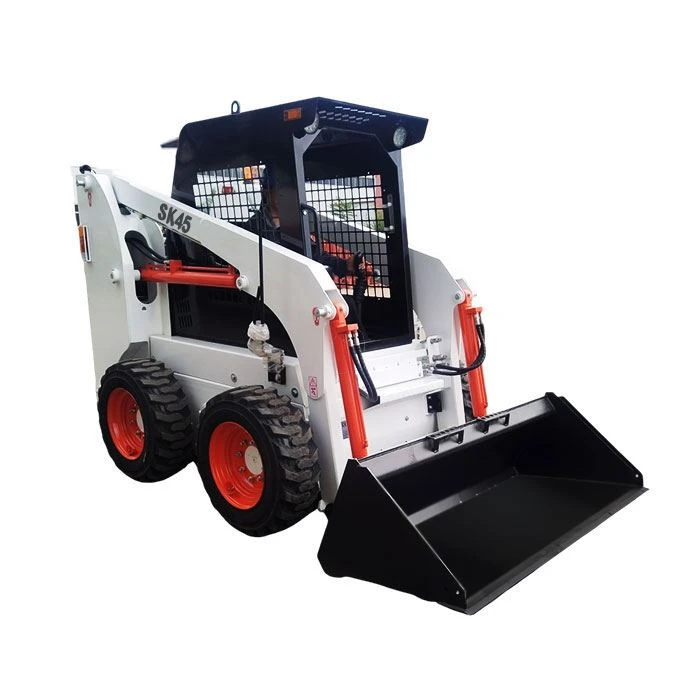
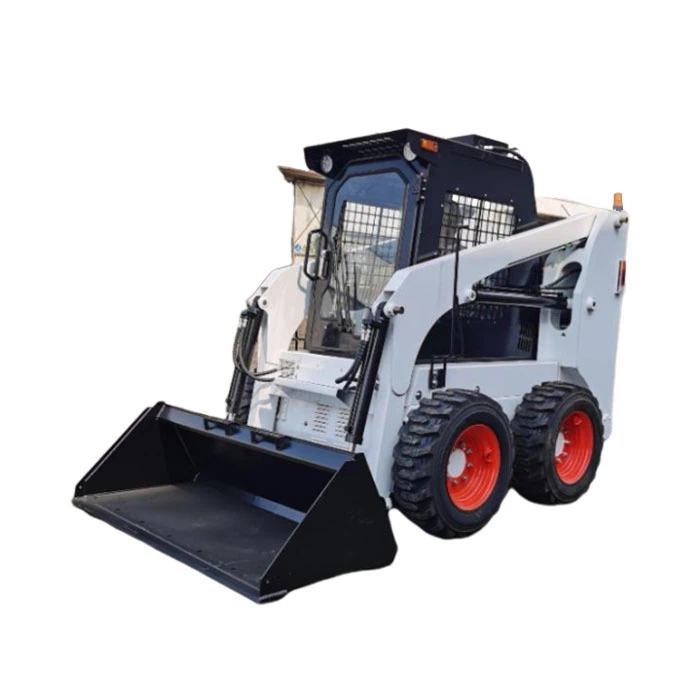
At our company, we offer a wide range of skid steers to meet your needs. Whether you're looking for a Large Skid Steer for heavy - duty jobs or a Cheapest Mini Skid Steer for more compact spaces, we've got you covered. Our New Skidsteer Loader models are designed with the latest technology to ensure optimal performance, even in hot weather.
Conclusion
Using a skid steer in hot weather requires extra care and attention. By following these tips, you can keep your skid steer running smoothly and avoid costly breakdowns. If you have any questions or are interested in purchasing a skid steer, don't hesitate to reach out. We're here to help you make the best choice for your needs.
References
- Manufacturer's skid steer operation manuals
- Industry best practices for heavy equipment operation in hot weather


