

In the dynamic landscape of construction, the demand for efficient and versatile equipment is ever - present. As a long - standing supplier of Large Skid Steer, I often field questions from construction professionals about the applicability of our large skid steer loaders in various projects, especially high - rise building construction. This blog aims to explore whether a large skid steer can indeed be used for high - rise building construction support.
Understanding Large Skid Steers
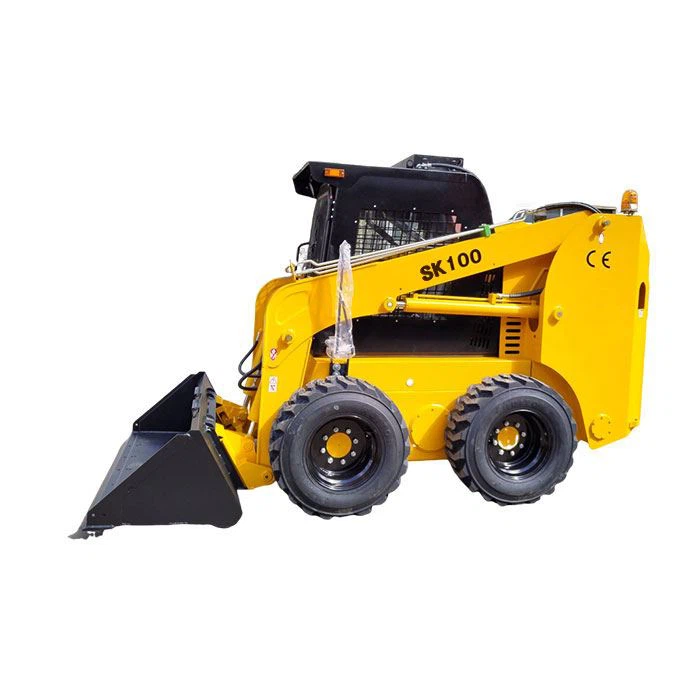
Before delving into their potential use in high - rise construction, it's essential to understand what large skid steers are. A large skid steer is a compact, rigid - framed, engine - powered machine with lift arms that can attach to a wide variety of labor - saving tools. These machines are highly maneuverable, capable of turning within their own footprint, which makes them ideal for working in confined spaces.
Typically, large skid steers have a higher operating capacity compared to their smaller counterparts, such as Small Skidsteer Loader and Compact Skid Steer. They are designed to handle heavy - duty tasks, including moving large amounts of materials, digging, and grading. The versatility of large skid steers is further enhanced by the availability of numerous attachments, such as buckets, forks, augers, and hydraulic breakers.
High - Rise Building Construction Requirements
High - rise building construction is a complex and multi - faceted process that involves several stages, from site preparation to the final finishing touches. Each stage has specific equipment requirements.
During the site preparation phase, tasks such as excavation, grading, and material handling are crucial. The site must be leveled, and large amounts of soil, rocks, and debris need to be removed. Once the foundation is laid, the construction process moves to the vertical phase, where materials like steel, concrete, and bricks need to be transported to different levels of the building. Finally, during the finishing phase, tasks such as interior and exterior finishing work are carried out.
Potential Uses of Large Skid Steers in High - Rise Construction
Site Preparation
One of the primary areas where large skid steers can be effectively utilized in high - rise construction is during the site preparation phase. Their high operating capacity allows them to handle large volumes of soil and debris. With a suitable bucket attachment, a large skid steer can quickly excavate the site, removing the top - soil and creating a level base for the foundation.
The maneuverability of large skid steers is also an advantage in site preparation. Construction sites are often cluttered with various obstacles, and the ability to turn within a tight space enables these machines to work efficiently around these obstacles. Additionally, large skid steers can be equipped with Skid Loader Tracks, which provide better traction on soft or uneven ground, reducing the risk of getting stuck during excavation and grading.
Material Handling at Ground Level
Even after the foundation is laid and the building starts to go up, large skid steers still play a vital role in material handling at ground level. They can be used to transport construction materials such as bricks, blocks, and bags of cement from the storage area to the base of the building. Fork attachments can be used to lift and move pallets of materials, making the process more efficient.
Moreover, large skid steers can be used to load and unload trucks. Their high - lift capacity allows them to quickly transfer materials between trucks and the construction site, reducing downtime and improving overall productivity.
Limited - Use in Vertical Construction
While large skid steers are excellent for ground - level operations, their use in vertical construction is somewhat limited. High - rise buildings require the transportation of materials to multiple floors, and large skid steers are not designed for vertical lifting. However, in some cases, they can be used in combination with other equipment. For example, they can load materials onto hoists or cranes, which then transport the materials to the upper levels of the building.
Challenges and Limitations
Despite their many advantages, there are several challenges and limitations to using large skid steers in high - rise building construction.
One of the main limitations is their inability to reach high levels. As mentioned earlier, large skid steers are primarily ground - based machines, and they lack the vertical reach required for direct material placement on upper floors. This means that additional equipment is needed to complete vertical construction tasks.
Another challenge is the space constraints on high - rise construction sites. As the building grows taller, the available ground space becomes more limited. While large skid steers are maneuverable, they still require a certain amount of space to operate safely. In some cases, the presence of scaffolding, cranes, and other construction equipment can further restrict the movement of large skid steers.
Cost - Effectiveness and Efficiency
When considering the use of large skid steers in high - rise construction, cost - effectiveness and efficiency are important factors. Large skid steers are relatively affordable compared to some other heavy - duty construction equipment. Their versatility also means that one machine can perform multiple tasks, reducing the need for additional equipment.
In terms of efficiency, large skid steers can significantly speed up the site preparation and ground - level material handling processes. They can work continuously for long periods, and their quick attachment - changing capabilities allow for seamless transition between different tasks. However, it's important to note that the overall efficiency of using large skid steers in high - rise construction depends on how well they are integrated with other equipment and the construction workflow.
Maintenance and Safety
Proper maintenance of large skid steers is crucial for their reliable performance in high - rise construction. Regular inspections, lubrication, and replacement of worn - out parts are necessary to ensure the machine operates safely and efficiently. This includes checking the Affordable Skid Steer Tracks for wear and tear, as well as the hydraulic systems and lift arms.
Safety is also a top priority. Operators of large skid steers should be properly trained and certified. They should follow all safety protocols, including wearing appropriate personal protective equipment, and be aware of the potential hazards on the construction site.
Conclusion
In conclusion, while large skid steers have limitations in direct vertical support for high - rise building construction, they can play a significant role in the overall construction process. Their high - capacity material handling, maneuverability, and versatility make them valuable assets during the site preparation and ground - level material handling phases.
If you're involved in high - rise building construction and are considering the use of large skid steers, I encourage you to reach out for a detailed discussion. Our team of experts can provide you with in - depth information about our Large Skid Steer models, their capabilities, and how they can be integrated into your construction projects. We're committed to helping you make the right equipment choices to enhance the efficiency and productivity of your construction operations.

References
- Construction Equipment Manuals
- Industry reports on high - rise building construction techniques
- Case studies on the use of skid steers in construction projects


