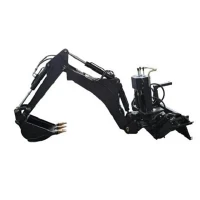
Hey there! As a supplier of New Skid Steer Loader, I've had my fair share of dealing with folks who are new to operating these powerful machines. Adjusting the controls of a new skid steer loader can seem a bit daunting at first, but don't worry – I'm here to walk you through it.
Getting Familiar with the Basics
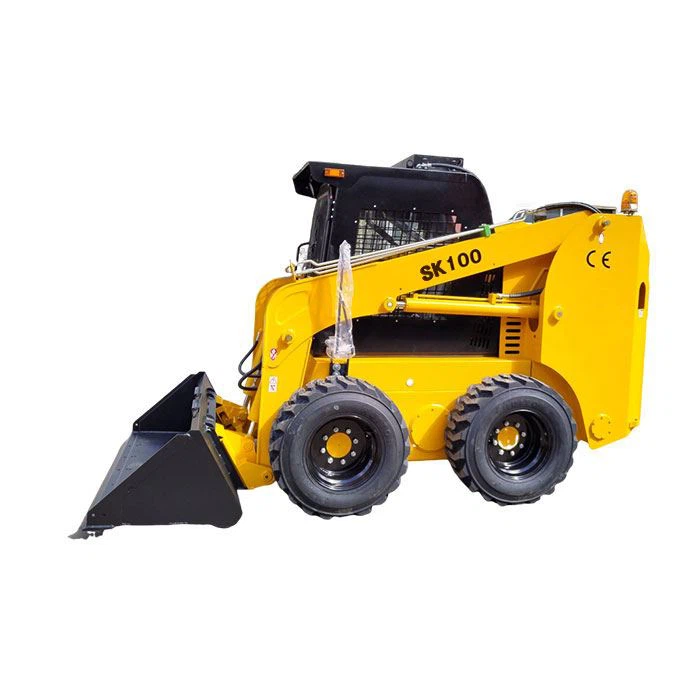
First things first, let's talk about what a skid steer loader is. It's a compact, versatile machine that's used in a whole bunch of industries, like construction, agriculture, and landscaping. You can find different sizes, from Small Skidsteer Loader to Large Skid Steer. Each type has its own set of controls, but the basic principles are pretty much the same.
When you first sit in the operator's seat, take a moment to look around. You'll see a bunch of levers, pedals, and buttons. Don't panic! They're all there for a reason, and with a little practice, you'll get the hang of it.
The Steering Controls
The most important controls on a skid steer loader are the steering controls. There are two main types: hand controls and foot controls.
Hand Controls
Hand controls are the most common type. You'll usually have two joysticks – one for each side of the machine. The left joystick controls the left side of the loader, and the right joystick controls the right side. Pushing the joystick forward makes the corresponding side of the machine move forward, and pulling it back makes it move backward. Moving the joystick to the left or right turns the machine in that direction.
It takes a bit of practice to get used to using the joysticks, especially if you're not used to operating heavy machinery. Start by making small, slow movements and gradually increase your speed as you get more comfortable.
Foot Controls
Some skid steer loaders have foot controls instead of hand controls. With foot controls, you use your feet to control the movement of the machine. The left pedal controls the left side of the loader, and the right pedal controls the right side. It's a bit different from using hand controls, but it can be just as effective once you get used to it.
The Lift and Tilt Controls
In addition to the steering controls, you'll also need to know how to operate the lift and tilt controls. These controls are used to raise and lower the loader's bucket or attachment, as well as tilt it forward and backward.
The lift control is usually a lever located on the right side of the operator's seat. Pushing the lever forward raises the loader's bucket or attachment, and pulling it back lowers it. The tilt control is also a lever, but it's usually located on the left side of the operator's seat. Pushing the lever forward tilts the bucket or attachment forward, and pulling it back tilts it backward.
Other Controls
There are a few other controls on a skid steer loader that you'll need to be familiar with. These include:
- Throttle Control: This control is used to adjust the speed of the engine. You can usually find it on the dashboard or near the steering wheel.
- Auxiliary Hydraulic Controls: These controls are used to operate any auxiliary hydraulic attachments, such as a hydraulic hammer or a grapple. They're usually located on the joysticks or on a separate control panel.
- Lights and Horn: The lights and horn controls are used to turn on the lights and sound the horn. They're usually located on the dashboard or near the steering wheel.
Adjusting the Controls for Comfort
Once you're familiar with the basic controls, you'll want to adjust them for your comfort. This is important because it can help reduce fatigue and make it easier to operate the machine for long periods of time.
Most skid steer loaders have adjustable seats, steering wheels, and joysticks. You can adjust the seat to the height and angle that's most comfortable for you, and you can adjust the steering wheel and joysticks to the position that's most convenient for you to reach.

Safety First
Before you start operating a skid steer loader, it's important to make sure you're wearing the proper safety gear. This includes a hard hat, safety glasses, hearing protection, and steel-toed boots. You should also read the operator's manual carefully and follow all the safety instructions.
When you're operating the machine, make sure you're aware of your surroundings and keep a safe distance from other people and objects. Always use the seatbelt, and never operate the machine while under the influence of drugs or alcohol.
Practice Makes Perfect
The best way to learn how to adjust the controls of a new skid steer loader is to practice. Start by operating the machine in an open area, such as a parking lot or a field. Make small, slow movements and gradually increase your speed as you get more comfortable.
As you practice, pay attention to how the machine responds to your controls. If you're having trouble with a particular control, don't be afraid to ask for help. You can also watch videos online or take a training course to learn more about operating a skid steer loader.
Conclusion
Adjusting the controls of a new skid steer loader can seem a bit overwhelming at first, but with a little practice and patience, you'll be able to operate the machine like a pro. Remember to take your time, follow the safety instructions, and adjust the controls for your comfort.
If you're in the market for a new skid steer loader, or if you have any questions about operating one, don't hesitate to contact us. We're here to help you find the right machine for your needs and to provide you with all the support and training you need to get the most out of it.
References
- Skid Steer Loader Operator's Manual
- Online videos and tutorials on skid steer loader operation
- Training courses on skid steer loader operation