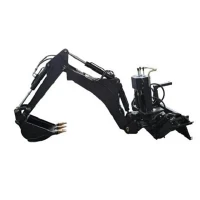
What is the capacity of a typical digging excavator?
As a provider of digging excavators, I often get asked about the capacity of these powerful machines. Understanding the capacity of a digging excavator is crucial for anyone involved in construction, mining, or any other industry that requires excavation work. In this blog post, I'll delve into the various aspects of a typical digging excavator's capacity, including bucket capacity, digging depth, reach, and lifting capacity.
Bucket Capacity
The bucket capacity of a digging excavator is one of the most important factors to consider when evaluating its capacity. It refers to the volume of material that the bucket can hold in a single scoop. Bucket capacity is typically measured in cubic meters (m³) or cubic yards (yd³).
The size of the bucket can vary significantly depending on the type and model of the excavator. Smaller excavators, often used in residential or light construction projects, may have bucket capacities ranging from 0.1 to 0.5 m³. Medium-sized excavators, which are more commonly used in general construction, can have bucket capacities between 0.5 and 2 m³. Larger excavators, used in heavy construction and mining operations, can have bucket capacities of 2 m³ or more.
The bucket capacity affects the amount of material that can be moved in each cycle, which in turn impacts the overall productivity of the excavator. A larger bucket capacity allows for more material to be moved in less time, but it also requires a more powerful excavator to operate effectively.
Digging Depth
Another important aspect of a digging excavator's capacity is its digging depth. This is the maximum depth that the excavator can dig below the ground level. Digging depth is typically measured in meters (m) or feet (ft).
The digging depth of an excavator depends on several factors, including the length of the boom and arm, the design of the machine, and the type of bucket being used. Smaller excavators may have a digging depth of around 2 to 4 m, while larger excavators can dig up to 10 m or more.
The digging depth is crucial for projects that require deep excavation, such as foundation work, trenching, or mining. It's important to choose an excavator with a digging depth that meets the requirements of your project.
Reach
The reach of a digging excavator refers to the maximum horizontal distance that the bucket can extend from the machine. It is measured from the center of the excavator's rotation to the tip of the bucket. Reach is typically measured in meters (m) or feet (ft).
Similar to digging depth, the reach of an excavator depends on the length of the boom and arm. Smaller excavators may have a reach of around 4 to 6 m, while larger excavators can have a reach of 10 m or more.
The reach is important for projects that require excavation at a distance from the machine, such as digging trenches or working on slopes. It allows the excavator to access areas that are not directly in front of the machine.
Lifting Capacity
In addition to digging, many excavators are also capable of lifting heavy objects. The lifting capacity of an excavator refers to the maximum weight that the machine can lift safely. It is typically measured in kilograms (kg) or tons.
The lifting capacity of an excavator depends on several factors, including the size and type of the machine, the length of the boom and arm, and the position of the load. Smaller excavators may have a lifting capacity of around 1 to 3 tons, while larger excavators can lift up to 50 tons or more.
The lifting capacity is important for projects that require the movement of heavy materials, such as building materials, equipment, or large rocks. It's important to ensure that the excavator you choose has a lifting capacity that is sufficient for your project.
Factors Affecting Capacity
Several factors can affect the capacity of a digging excavator. These include:
- Machine Size: Larger excavators generally have higher capacities than smaller ones.
- Engine Power: A more powerful engine can provide more force, allowing the excavator to handle larger loads and dig deeper.
- Bucket Design: The shape and size of the bucket can affect its capacity and the efficiency of the excavation process.
- Operating Conditions: The type of soil, the presence of obstacles, and the terrain can all impact the excavator's performance and capacity.
Choosing the Right Excavator
When choosing a digging excavator, it's important to consider your specific project requirements. Here are some tips to help you make the right choice:
- Assess Your Needs: Determine the type of work you'll be doing, the size of the project, and the required capacity.
- Consider the Site Conditions: Take into account the terrain, soil type, and any obstacles that may be present.
- Evaluate the Machine's Features: Look for features such as bucket capacity, digging depth, reach, and lifting capacity that meet your needs.
- Test the Machine: If possible, test the excavator before making a purchase to ensure that it performs well and meets your expectations.
Expand Your Machine's Capabilities
If you're looking to expand the capabilities of your existing machine, consider using attachments. Attachments can transform your excavator into a versatile tool that can handle a variety of tasks. For example, you can use a Skid Steer Backhoe Attachment to add backhoe functionality to your skid steer, or a Skid Steer Excavator Attachment to turn your skid steer into a mini excavator.
We offer a wide range of Digging Excavator options and attachments to meet your specific needs. Whether you're a small contractor or a large construction company, we can help you find the right equipment for your project.
Contact Us for Procurement
If you're interested in purchasing a digging excavator or any of our attachments, we'd love to hear from you. Our team of experts can provide you with detailed information about our products, help you choose the right equipment for your needs, and answer any questions you may have. Contact us today to start the procurement process and take your excavation projects to the next level.


References
- Construction Equipment Handbook, various editions
- Manufacturer's specifications for different models of digging excavators