

Hey there! I'm a supplier of Compact Skid Steers, and today I wanna talk about what the electrical system in a compact skid steer is responsible for.
First off, let's get into the basics. The electrical system in a compact skid steer is like the nervous system of the machine. It's responsible for a whole bunch of crucial functions that keep the skid steer running smoothly and safely.
One of the primary jobs of the electrical system is to start the engine. The battery in the skid steer stores electrical energy. When you turn the key or push the start button, the electrical current from the battery is sent to the starter motor. The starter motor then cranks the engine, getting it up and running. Without a properly functioning electrical system, you won't be able to start your skid steer, and that's a big problem on the job site.
Once the engine is running, the electrical system takes on another important role: powering the charging system. The alternator, which is driven by the engine, generates electricity. It not only provides power to the various electrical components while the engine is running but also re - charges the battery. This ensures that the battery always has enough juice to start the engine the next time you need it.
The electrical system also controls the lighting on the skid steer. You've got headlights, taillights, and sometimes work lights. These lights are essential for working in low - light conditions, whether it's early in the morning, late at night, or in a dimly lit indoor area. For example, when you're operating your skid steer in a construction site that's still being set up and doesn't have proper lighting, the headlights allow you to see where you're going and avoid obstacles. And the taillights make your skid steer visible to other workers on the site, reducing the risk of accidents.
Another key function is powering the instrument panel. The instrument panel is like the control center of the skid steer. It displays important information such as the engine temperature, fuel level, battery voltage, and other vital stats. All of these sensors send electrical signals to the instrument panel, which then interprets and displays the data. This helps the operator keep an eye on the machine's performance and detect any potential problems early on. For instance, if the engine temperature gauge shows that the engine is overheating, the operator can take immediate action to prevent damage to the engine.
The electrical system is also involved in controlling the hydraulic system in many compact skid steers. Hydraulic systems are used to operate the loader arms, buckets, and other attachments. Solenoid valves, which are controlled by electrical signals, regulate the flow of hydraulic fluid. This allows the operator to precisely control the movement of the loader arms and attachments. Whether you're lifting heavy loads or performing delicate tasks like grading, the electrical - hydraulic interface ensures smooth and accurate operation.
Now, let's talk about the safety features that rely on the electrical system. Many skid steers are equipped with safety switches. For example, there might be a seat switch that prevents the machine from operating if the operator isn't sitting in the seat properly. There could also be switches on the doors or access panels. If these switches detect that a door is open or a panel is not properly closed, they send an electrical signal to disable certain functions of the skid steer. This helps prevent accidents and keeps the operator safe.
When it comes to the attachments on a compact skid steer, the electrical system plays a crucial role as well. Some attachments, like augers or hydraulic hammers, may require electrical power for additional functions. For example, an auger might have a lighting system or a control panel that needs electricity to operate. The skid steer's electrical system provides the necessary power to these attachments, making them more versatile and useful on the job site.
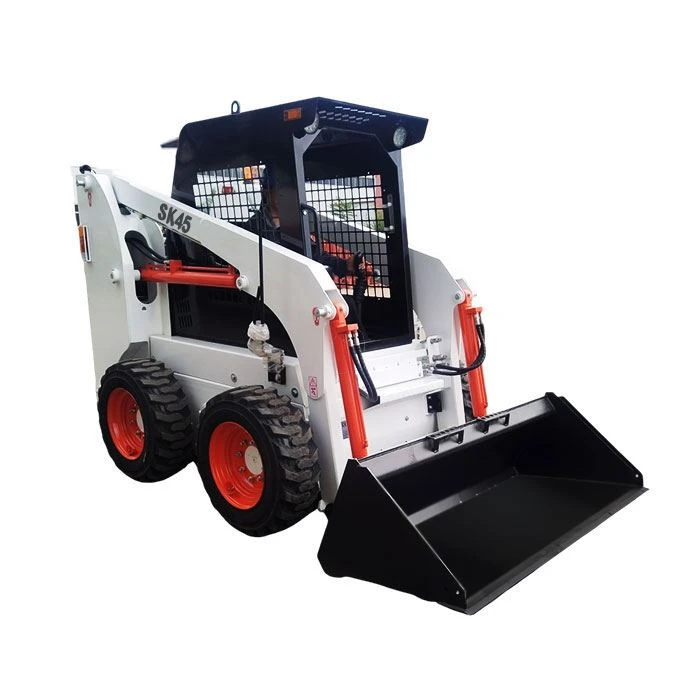

As a Compact Skid Steer supplier, I know how important it is to have a reliable electrical system. That's why we offer a range of high - quality skid steers with top - notch electrical components. If you're in the market for a new skid steer, check out our New Skidsteer Loader. It comes with a state - of - the - art electrical system that ensures maximum performance and reliability.
For those who need a more powerful option, our Large Skidsteer Loader is a great choice. It has an even more robust electrical system to handle the increased power demands of the larger machine.
And if you're looking for a cost - effective way to upgrade your skid steer, consider our Affordable Skid Steer Tracks. These tracks not only improve the performance of your skid steer but also work seamlessly with the electrical system to ensure smooth operation.
If you're interested in purchasing a compact skid steer or have any questions about the electrical system or our products, don't hesitate to reach out. We're here to help you find the perfect machine for your needs. Whether you're a small contractor or a large construction company, we've got the right skid steer for you.
In conclusion, the electrical system in a compact skid steer is responsible for a wide range of functions, from starting the engine to ensuring safety and powering attachments. A well - functioning electrical system is essential for the overall performance and reliability of the skid steer. So, when you're shopping for a skid steer, make sure to pay close attention to the quality of the electrical system.
References
- Construction Equipment Handbook
- Skid Steer Maintenance Manuals


