

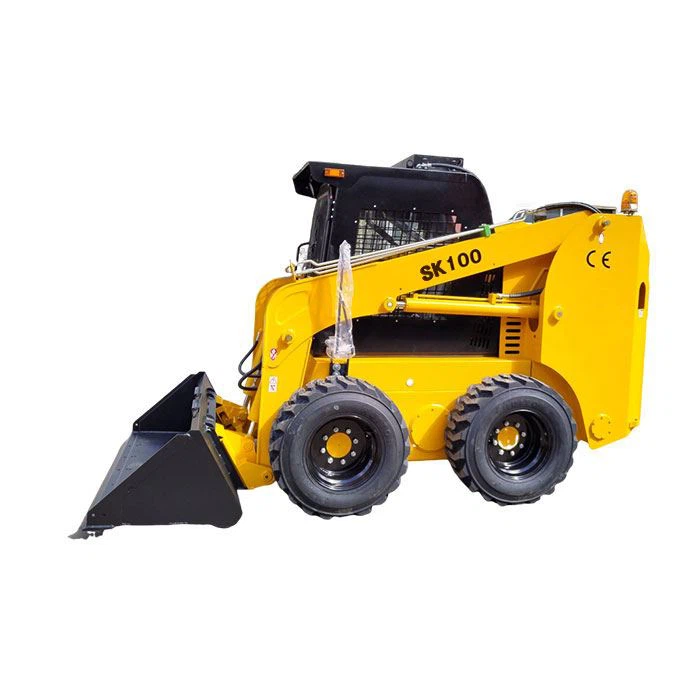
As a supplier of Black Skid Steers, I am often asked about the various components that make up these powerful machines. One of the most crucial aspects is the electrical system. In this blog, I'll delve into what the electrical system of a black skid steer entails, its key components, and how it contributes to the overall functionality of the equipment.

The Importance of the Electrical System
The electrical system in a black skid steer is like the nervous system in a human body. It is responsible for powering all the electrical components, ensuring that the machine can start, operate, and perform various functions efficiently. Without a properly functioning electrical system, the skid steer would be little more than a heavy, immobile piece of metal.
Key Components of the Electrical System
Battery
The battery is the heart of the electrical system. It stores electrical energy and provides the initial power needed to start the engine. In a black skid steer, the battery is typically a 12 - volt lead - acid battery. It needs to be properly maintained, with regular checks on its charge level and the condition of its terminals. A weak or dead battery can prevent the skid steer from starting, so it's essential to keep it in good working order.
Alternator
Once the engine is running, the alternator takes over. The alternator is responsible for generating electrical power and recharging the battery. It converts mechanical energy from the engine into electrical energy. A well - functioning alternator ensures that the battery remains charged and that all the electrical components in the skid steer receive a steady supply of power. If the alternator fails, the battery will eventually drain, and the skid steer will lose power.
Starter Motor
The starter motor is what gets the engine running. When you turn the ignition key, an electrical current is sent from the battery to the starter motor. The starter motor then engages with the engine's flywheel, turning the engine over until it starts. A faulty starter motor can be a major headache, as it will prevent the skid steer from starting. Signs of a bad starter motor include a clicking sound when you turn the key or the engine not cranking at all.
Fuses and Relays
Fuses and relays are like the guardians of the electrical system. Fuses are designed to protect the electrical circuits from overloading. If too much current flows through a circuit, the fuse will blow, breaking the circuit and preventing damage to the components. Relays, on the other hand, are switches that control the flow of electricity. They are used to turn on and off various electrical components, such as lights and the fuel pump. Regularly checking the fuses and relays can help prevent electrical problems. A blown fuse can cause a particular electrical component to stop working, and a faulty relay can disrupt the operation of a circuit.
Wiring Harness
The wiring harness is the network of wires that connects all the electrical components in the skid steer. It is like the bloodstream of the electrical system, carrying electrical signals and power throughout the machine. Over time, the wiring harness can become damaged due to wear and tear, exposure to the elements, or rodents chewing on the wires. A damaged wiring harness can lead to a variety of electrical problems, from intermittent component failures to complete system malfunctions.
Sensors and Controls
Modern black skid steers are equipped with a variety of sensors and controls that rely on the electrical system. These sensors can monitor things like engine temperature, oil pressure, and fuel level. The information from these sensors is sent to the control panel, where the operator can see it. The controls, such as the switches for the lights, wipers, and hydraulic functions, also rely on the electrical system. For example, the joystick controls that operate the skid steer's attachments are powered by electricity. Without a functioning electrical system, these sensors and controls would not work, making it difficult or impossible to operate the skid steer safely and effectively.
How the Electrical System Contributes to the Skid Steer's Functionality
Starting and Operating the Machine
As mentioned earlier, the electrical system is essential for starting the skid steer. Once the machine is running, the electrical system powers all the components that allow it to operate. The lights, both the headlights for visibility at night and the work lights for illuminating the area around the skid steer, are powered by the electrical system. The wipers, which keep the windshield clear, also rely on electricity. The hydraulic system, which is used to operate the skid steer's attachments, is controlled by electrical valves. Without the electrical system, the skid steer would not be able to move, lift, or perform any of its functions.
Safety Features
The electrical system also plays a crucial role in the safety features of the skid steer. Many skid steers are equipped with safety sensors that detect when the operator is not seated properly or when the seatbelt is not fastened. These sensors are connected to the electrical system, and if they detect a problem, they can prevent the machine from operating or trigger an alarm. Additionally, the emergency stop button is an electrical component that, when pressed, cuts off power to the engine and other critical systems, bringing the skid steer to a halt.
Maintenance and Troubleshooting of the Electrical System
Regular maintenance of the electrical system is key to keeping the black skid steer running smoothly. This includes checking the battery's charge level and terminals, inspecting the alternator and starter motor for signs of wear, and looking for any damage to the wiring harness. It's also a good idea to clean the electrical components regularly to prevent corrosion.
When troubleshooting electrical problems, it's important to start with the basics. Check the fuses and relays first, as a blown fuse or a faulty relay is often the cause of a problem. If the fuses and relays are okay, then you may need to check the battery, alternator, and starter motor. A multimeter can be a useful tool for testing the electrical components. It can measure voltage, current, and resistance, helping you to determine if a component is working properly.
Related Attachments and Their Electrical Requirements
In addition to the core electrical system, the attachments used with the black skid steer also have their own electrical requirements. For example, a Skid Loader Tracks may have sensors to monitor their condition, and these sensors need to be connected to the skid steer's electrical system. A Large Skid Steer Bucket with hydraulic controls may rely on electrical valves to operate. And a Large Skid Steer may have additional electrical features for enhanced functionality.
Conclusion
The electrical system of a black skid steer is a complex and vital part of the machine. It powers everything from starting the engine to operating the various attachments. Understanding the key components of the electrical system, how they work together, and how to maintain them can save you a lot of time and money in the long run.
If you're in the market for a black skid steer or need replacement parts for your existing machine, I encourage you to reach out. We have a wide range of high - quality skid steers and parts available, and our team of experts can help you find the right solution for your needs. Whether you're a construction company looking to add to your fleet or a contractor in need of a reliable machine, we're here to assist you. Contact us today to start the conversation about your skid steer requirements.
References
- Automotive Electrical Systems Handbook
- Skid Steer Operator's Manuals
- Technical Bulletins from Skid Steer Manufacturers


