

As a supplier of small skid-steer loaders, I am often asked about the frame structure of these versatile machines. Understanding the frame structure is crucial for anyone looking to purchase or operate a small skid-steer loader, as it directly impacts the machine's performance, durability, and overall functionality. In this blog post, I will delve into the key components of the frame structure of a small skid-steer loader and explain how they work together to make these machines so effective.
The Main Frame
The main frame is the backbone of the small skid-steer loader. It provides the structural support for all the other components of the machine, including the engine, hydraulic system, and operator cab. The main frame is typically made of high-strength steel, which is designed to withstand the heavy loads and stresses that the loader will encounter during operation.
One of the key features of the main frame is its compact design. Small skid-steer loaders are known for their ability to maneuver in tight spaces, and the compact frame allows them to do just that. The frame is also designed to be lightweight, which helps to improve the machine's fuel efficiency and overall performance.
The Front and Rear Axles
The front and rear axles are another important part of the frame structure. These axles support the weight of the loader and provide the means for the machine to move. The axles are typically made of heavy-duty steel and are designed to withstand the high torque and forces that are generated during operation.
The front axle is responsible for steering the loader, while the rear axle provides the power for the machine to move forward and backward. The axles are connected to the main frame through a series of bearings and bushings, which allow them to rotate freely and smoothly.
The Hydraulic System
The hydraulic system is a critical component of the small skid-steer loader. It provides the power for the machine's lifting and digging functions, as well as for its steering and other operations. The hydraulic system consists of a hydraulic pump, hydraulic cylinders, and a series of hoses and valves.
The hydraulic pump is responsible for generating the pressure that is needed to operate the hydraulic cylinders. The cylinders are used to lift and lower the loader's bucket, as well as to tilt it forward and backward. The hoses and valves are used to control the flow of hydraulic fluid to the cylinders, allowing the operator to precisely control the movement of the loader.

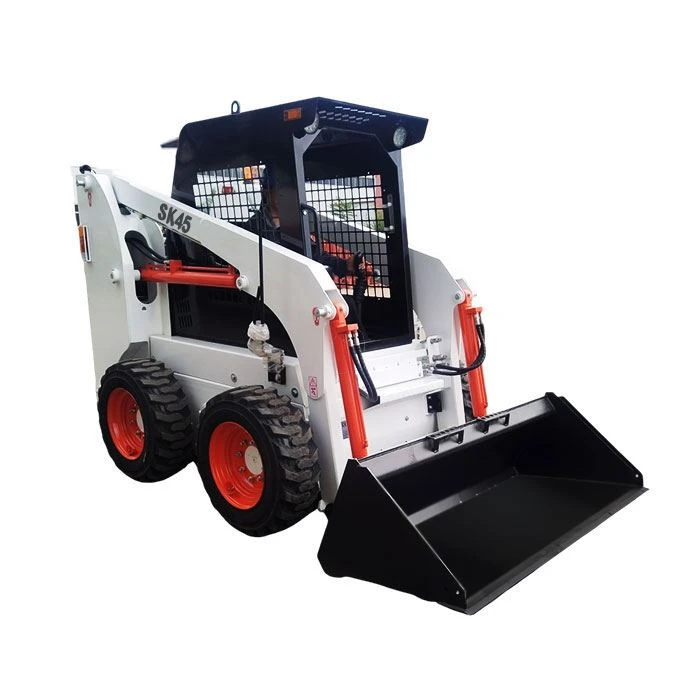
The Operator Cab
The operator cab is where the operator sits and controls the small skid-steer loader. It is designed to provide a comfortable and safe working environment for the operator, while also allowing them to have a clear view of the work area. The cab is typically made of steel or fiberglass and is equipped with a variety of features, such as a seat, steering wheel, controls, and a windshield.
One of the key features of the operator cab is its ergonomic design. The seat is adjustable to fit the operator's body, and the controls are within easy reach. The cab is also designed to be quiet and comfortable, which helps to reduce operator fatigue during long hours of operation.
The Attachments
Small skid-steer loaders are known for their versatility, and one of the reasons for this is the wide range of attachments that are available for them. These attachments can be used for a variety of tasks, such as digging, lifting, grading, and snow removal.
Some of the most common attachments for small skid-steer loaders include buckets, forks, grapples, and augers. These attachments are typically connected to the loader's hydraulic system, which allows them to be easily controlled by the operator.
Conclusion
In conclusion, the frame structure of a small skid-steer loader is a complex and important part of the machine. It provides the structural support for all the other components of the loader, and it directly impacts the machine's performance, durability, and overall functionality. By understanding the key components of the frame structure, you can make an informed decision when purchasing a small skid-steer loader, and you can ensure that you are getting a machine that is reliable, efficient, and easy to operate.
If you are in the market for a small skid-steer loader, I encourage you to contact us to learn more about our products and services. We are a leading supplier of small skid-steer loaders, and we offer a wide range of models and attachments to meet your specific needs. You can also visit our website to learn more about our Rubber Tracks For Skid Steer, Black Skid Steer, and New Skidsteer Loader options.
References
- Manufacturer's manuals for small skid-steer loaders
- Industry publications on construction equipment
- Technical articles on skid-steer loader design and operation


