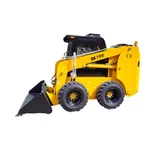
The wear resistance of skid steer loader attachments depends largely on the attachment type and the materials used in its construction. The main frame generally wears slowly, while areas that come into direct contact with materials or experience repeated impacts are more prone to wear.
Most standard attachments are made from conventional structural steel, which offers moderate wear resistance and is suitable for handling relatively soft materials such as soil and wood chips. Higher-quality attachments often use wear-resistant steel plates or hardfacing in high-wear areas. These reinforced designs provide much better durability when working with abrasive materials such as gravel, crushed stone, and construction debris.

Wear patterns also vary depending on the attachment type:
Buckets: The cutting edge and bottom plate are the most vulnerable areas to wear.
Sweepers: The bottom wear plate and brush bristles are the main components that require replacement.
Grapple Attachments: The tips of the grapple teeth are particularly susceptible to wear.
Milling and Trenching Attachments: Cutting bits and teeth are normal wear parts and need to be replaced periodically.
Working conditions have a significant impact on attachment wear. Hard, angular materials such as crushed stone cause faster wear, while softer materials such as soil and snow result in less abrasion. Operating techniques matter, too. Constantly scraping against hard surfaces or dragging attachments across the ground can accelerate wear.
When selecting an attachment, consider the materials and working conditions at the job site. Standard models are generally sufficient for handling softer materials, while attachments with wear-resistant steel or reinforced wear areas are a better choice for gravel, crushed materials, and other demanding applications.