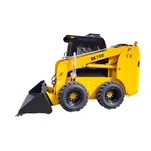
1. Daily Pre-Operation Inspection (Required Every Shift)
Conduct a visual inspection of the machine before each shift. Check the frame and lift arms for cracks or deformation, and inspect all hydraulic hoses and fittings for leaks, damage, or signs of wear.
Check all fluid levels, including engine oil, hydraulic fluid, coolant, and fuel. Top up as necessary. Remove dirt, dust, and debris from the radiator and cooling system to maintain proper heat dissipation.
Inspect the travel system. For wheeled models, check the tires for damage and verify tire pressure. For tracked models, remove dirt, mud, and stones from between the tracks and check track tension.
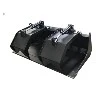
Make sure all attachment mounting and locking mechanisms are secure. Check the bucket and quick coupler for excessive wear or damage. Test the lights, reverse alarm, seat belt, and other safety devices before operation.
Grease all pivot points and linkage joints. Regular lubrication helps displace moisture and contaminants from the joints and reduces wear.
2. Periodic Maintenance (Based on Operating Hours)
Replace filters and fluids according to the maintenance intervals specified in the equipment manual. This includes engine oil, oil filter, fuel filter, air filter, hydraulic fluid, and hydraulic filter. At dusty jobsites, inspect the air filter more frequently and clean or replace it when necessary.
Inspect the undercarriage and travel system. For wheeled models, check and torque the wheel-end or wheel lug bolts as required. For tracked models, inspect the drive sprocket, idlers, and bottom rollers for wear, and adjust track tension when necessary.
Inspect the battery terminals and wiring, and remove any oxidation or corrosion from the terminals. Check the condition of cab seals, windshield wipers, heater, and other cab-related components.
Inspect all bolts and pins for looseness or abnormal wear. Tighten or replace components as necessary.
3. Hydraulic System Maintenance
Use only the hydraulic fluid grade and specification recommended by the manufacturer. Do not mix different fluid types or specifications. Replace the hydraulic filter at the same time as the hydraulic fluid when required.
Before disconnecting or servicing any hydraulic line, shut down the engine and release all residual hydraulic pressure. High-pressure hydraulic fluid can cause serious injury.
Check the condition of the hydraulic fluid regularly. If the fluid becomes cloudy, contaminated with water, or contains an unusual amount of debris, replace it promptly. Keep the hydraulic reservoir breather clean and unobstructed to prevent pressure buildup in the tank.
4. Engine Maintenance
Drain accumulated water from the fuel-water separator at the recommended intervals to prevent water from entering the fuel system and engine.
Allow the engine to warm up properly before operating under heavy load, especially during cold starts. Do not immediately apply full load to a cold engine.
Inspect the cooling system for leaks and keep the radiator and cooling fins clean. More frequent cleaning may be necessary when operating in high-temperature or dusty environments.
In winter, use diesel fuel, engine oil, and coolant/antifreeze with viscosity and freeze protection ratings suitable for the expected low temperatures. This helps prevent fuel-line icing, oil thickening, and coolant freezing.