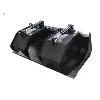
Cutting Capacity: This is the most important factor. Choose a machine based on the most common material you will be cutting-such as the typical diameter of the brush or vegetation-rather than sizing it for occasional extreme conditions.
Cutting Disc & Blades:
Number of Blades: Most models use three or four blades. Four-blade configurations generally provide higher cutting efficiency with each rotation.
Blade Type: Light-duty models typically use hardened steel blades, while heavy-duty machines often use beveled-edge blades for more effective chopping and shredding.

Additional Features: Some premium models feature carbide teeth on the underside of the cutting disc, allowing the machine to grind stumps and brush down to ground level.
Hydraulic Motor: This is the power source of the cutting machine.
Type: Radial piston motors are preferred for heavy vegetation management because they deliver high torque and excellent reliability.
Torque: High torque enables the cutting disc to recover its rotational speed more quickly after encountering heavy resistance, improving overall cutting efficiency.
https://www.skidintelligent.com/skid-steer-attachments/skid-steer-cutter.html
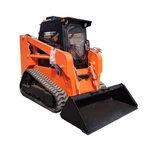
Compatibility with the Carrier: Always make sure the cutting machine's required hydraulic flow (GPM) and pressure (PSI) match the specifications of your skid steer loader. You should also verify that the carrier's operating weight and rated capacity are sufficient to handle the attachment safely and stably.