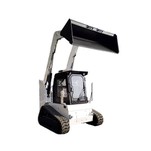
1.Design the structure and geometric dimensions of a skid steer loader
The structure of a skid steer loader mainly includes components such as chassis, steering, walking, cargo, cab, and hydraulic system. When designing, it is necessary to determine the geometric dimensions and structure of the skid steer loader based on factors such as usage scenarios, work requirements, and equipment.
2.Material selection and procurement
The main materials of a skid steer loader include steel, hydraulic components, electrical components, etc. When selecting materials, attention should be paid to the quality and performance of the materials, and materials with high cost-effectiveness should be chosen as much as possible to ensure the quality and cost of the entire loader.
3.Component processing
Component processing is an important step in the production of skid steer loaders. Various shapes and sizes of components need to be manufactured through machining, including cutting, welding, drilling, milling, turning, laser cutting, etc. When processing components, it is necessary to strictly follow the design requirements and quality standards to ensure the accuracy and stability of each component.
4.Assembly and debugging
After the completion of component processing, it is necessary to assemble and debug the components. When assembling, it is necessary to follow the design drawings of the loader and assemble each component in sequence. After assembly, trial operation and debugging are required to ensure that the performance of the skid steer loader meets the requirements.
5.Features and advantages
Sliding loader is a machine with many advantages, which can be used in various occasions, such as construction sites, docks, warehouses, etc. Sliding loaders have advantages such as strong flexibility, simple operation, flexible steering, stable walking, and strong load capacity, which can greatly improve work efficiency and quality.